
Introduction
With energy bills at record levels across the UK, many households are caught between two difficult choices: keep the heating on and face soaring gas bills, or turn it off and endure the cold. But there’s a better way. You don’t have to choose between comfort and affordability. By implementing smart heating strategies and making targeted home improvements, you can significantly reduce your gas consumption while maintaining a warm, comfortable home throughout winter.
The average UK household spends around £2,000 annually on energy, with heating accounting for approximately 60% of that bill. Even modest reductions in gas usage can translate to substantial savings over the winter months. This guide shows you exactly how to lower your gas bills without sacrificing the warmth you need.
Optimise Your Boiler Settings and Controls
Your boiler is the heart of your heating system, and how you operate it makes a tremendous difference to your gas consumption. Many UK households run their boilers inefficiently without realising it.
Start by adjusting your boiler’s flow temperature. Modern condensing boilers perform most efficiently when the flow temperature is set between 50-60°C rather than the default 80°C. Lowering this setting can reduce gas consumption by up to 8% with no impact on comfort. If you’re unsure how to adjust this safely, consult your boiler’s manual or contact a Gas Safe registered engineer.
Next, invest in a smart thermostat if you haven’t already. These devices learn your heating patterns and automatically adjust temperatures based on your preferences and occupancy. Brands like Nest and Hive can reduce heating energy use by 10-15%. You’ll maintain comfort while using less gas.
Set your thermostat to 18-21°C depending on your preference. Each degree above 20°C increases gas consumption by roughly 10%. A small reduction often goes unnoticed but saves considerably on your bills.
Improve Your Home’s Insulation
Heat loss through poor insulation is a major reason why gas bills climb. Addressing this properly means your boiler works less hard to maintain comfortable temperatures.
Loft insulation is one of the most cost-effective improvements. Most UK homes lose 25% of heat through the roof. Modern standards recommend 270mm of insulation, whilst many older properties have much less. Installing or upgrading loft insulation typically costs £300-500 but saves £150-200 annually on heating bills. It pays for itself in just 2-3 years.
Cavity wall insulation is equally effective if your home has cavity walls. This can reduce heat loss by 35% through external walls. If you’ve already had this installed, you’ve made an excellent investment. If not, the Energy Saving Trust recommends it as a priority improvement.
Don’t overlook draught-proofing. Sealing gaps around windows, doors, and skirting boards costs very little but prevents warm air escaping. Draught excluders and weather strips cost under £50 and immediately reduce your heating needs.
Use Your Radiators More Intelligently
How you use your radiators affects your gas consumption significantly. Most people heat entire homes uniformly, but you can be smarter.
Close radiators in rooms you don’t use regularly. If you have a spare bedroom or formal lounge that’s rarely occupied, closing radiator valves there frees up heating for areas where you spend time. This focused approach uses less gas whilst maintaining comfort where it matters.
Ensure radiators aren’t blocked by furniture or curtains. Obstructions prevent heat from circulating properly, forcing your boiler to work harder. Position furniture so air can flow freely around radiators.
Bleed air from radiators annually. Air trapped inside reduces their efficiency. The process takes minutes and costs nothing. You’ll notice improved radiator performance and lower gas bills.
If your radiators are old or uneven in temperature, consider a power flush. This professional service cleans your heating system and typically costs £400-600, but significantly improves efficiency and can reduce bills by 5-10%.
Switch to a Better Energy Tariff
Whilst making physical improvements takes time and investment, switching your energy supplier offers immediate savings. Ofgem’s price cap sets the maximum energy companies can charge, but competitive variation still exists, and many fixed-rate deals beat the standard variable rate.
Use comparison websites to check what’s available. If you’ve been with your current supplier for over a year, you’re likely paying more than necessary. Switching takes just 15 minutes online and typically saves £200-400 annually with no disruption to your supply.
Consider fixing your rate if you believe prices might increase. Fixed deals provide certainty and protection against market volatility. Currently, competitive fixed rates often offer better value than variable options.
Adopt Smart Heating Habits
Simple daily habits compound over time. Use thermostatic radiator valves (TRVs) in bedrooms to reduce heat at night. Lower bedroom temperatures to 16-18°C for better sleep and lower bills.
Adjust your heating schedule using your thermostat or boiler timer. If you work away from home or sleep with heating off, program your system to heat only when necessary. Many people heat empty homes during working hours—unnecessary waste.
Keep windows and doors closed whilst heating runs. Brief, purposeful ventilation is fine, but constant airing wastes heat. Use trickle vents for gentle air circulation without significant heat loss.
Consider Long-term Investments
If you’re planning to stay in your home, certain upgrades deliver long-term benefits. Double-glazing, new windows, or external wall insulation require significant investment but substantially improve thermal performance.
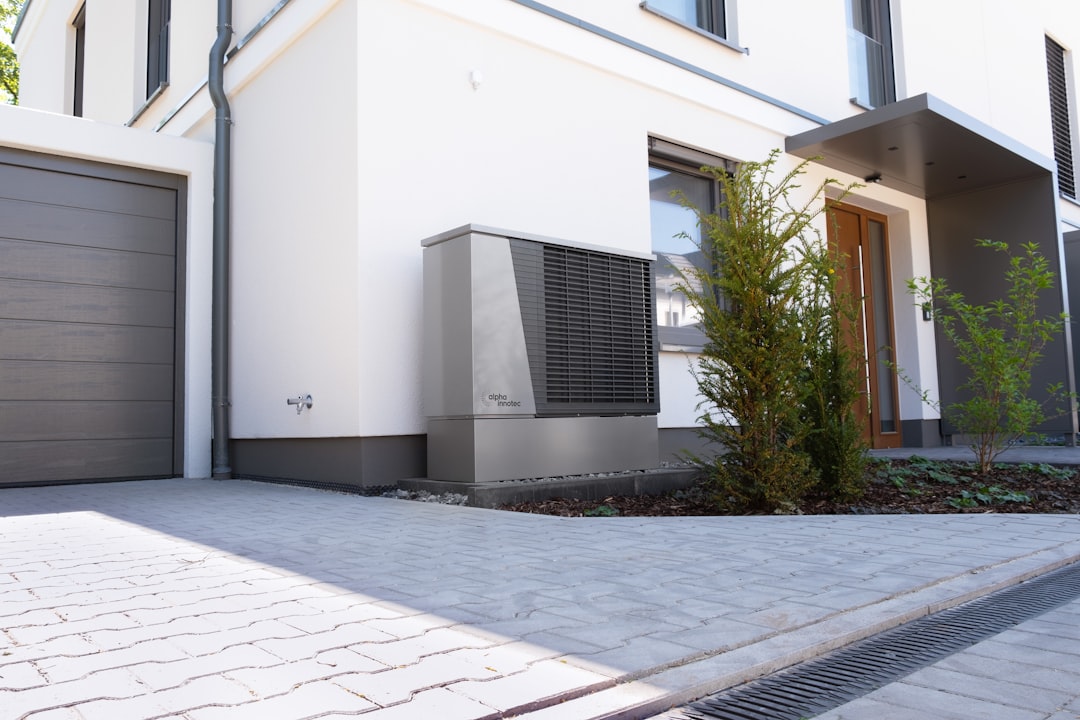
The Government’s Boiler Upgrade Scheme offers grants towards replacing old boilers with heat pumps. Check whether you qualify—it could offset costs substantially whilst improving efficiency beyond what traditional boilers achieve.
Conclusion
Reducing gas bills without sacrificing warmth requires a multi-faceted approach combining smart thermostat use, home insulation improvements, radiator optimisation, competitive tariff switching, and sensible daily habits. You don’t need to implement everything simultaneously. Start with simple, inexpensive changes like adjusting boiler settings and thermostat temperature, then progress to larger projects like loft insulation when budget allows.
Every improvement compounds, gradually reducing your gas consumption and bills whilst maintaining the comfort you deserve. Begin today by reviewing your thermostat settings and comparing energy tariffs—these take minutes but could save hundreds of pounds this year. Your warmer, more affordable home is within reach.
0 Comments