
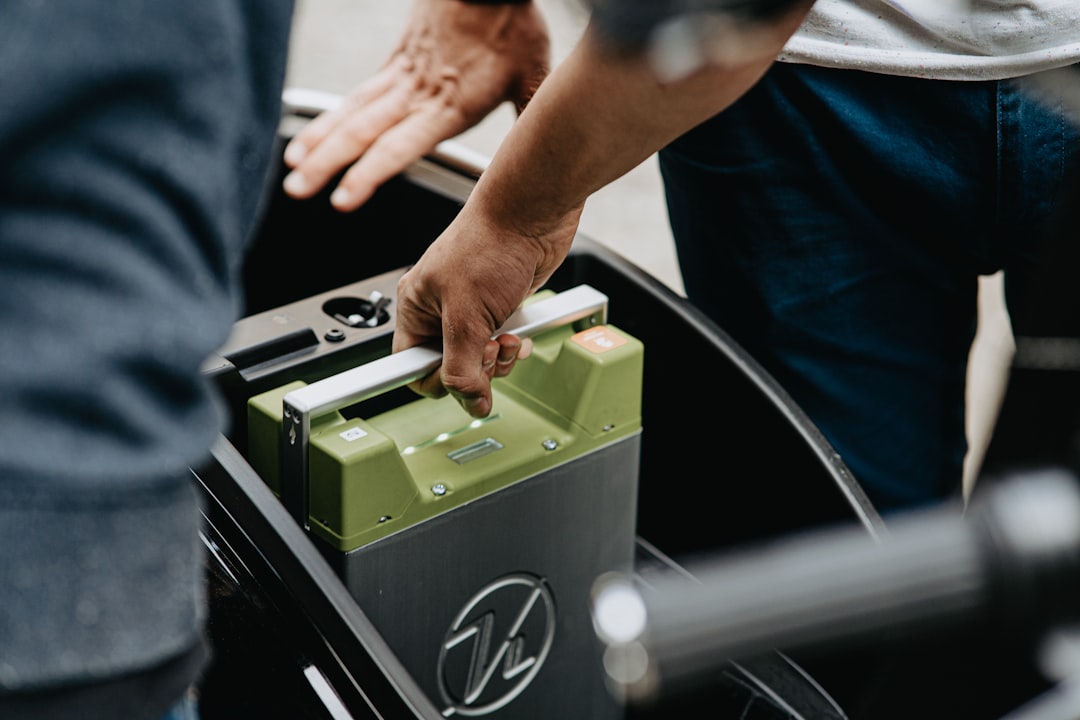
Why Battery Storage Matters for UK Homeowners
Battery storage systems have become increasingly essential for UK households looking to maximise their energy savings and reduce reliance on the National Grid. If you’ve already installed solar panels, a battery system can store excess energy generated during daylight hours for use during peak evening times when electricity rates are highest. According to Ofgem data, the average UK household pays significantly more per kilowatt-hour during peak hours, making battery storage an intelligent investment.
Beyond solar integration, modern battery systems offer protection against rising energy tariffs and provide backup power during outages. With energy bills remaining a concern for millions of UK families, battery storage represents a practical step towards greater energy independence and long-term cost savings.
Understanding Battery Storage Capacity and Your Needs
Before selecting a system, you’ll need to assess your household’s energy requirements. Battery capacity is measured in kilowatt-hours (kWh), and most UK residential systems range from 5kWh to 15kWh. A typical UK household uses around 8-10kWh daily, though this varies considerably depending on your home size, appliances, and occupancy patterns.
Consider your electricity consumption patterns. If you work from home, you’ll benefit from a larger battery as you’ll use more power throughout the day. Similarly, families with electric vehicles may want to explore systems exceeding 10kWh to accommodate charging needs alongside household usage.
Top Battery Storage Systems for UK Homes
Tesla Powerwall remains one of the most popular choices among UK homeowners. This 13.5kWh system integrates seamlessly with solar installations and offers sophisticated software management. At approximately £10,000-£12,000 installed, it’s a premium option, but the durability and smart features justify the investment for many households.
LG Chem RESU has gained significant traction in the UK market. Available in various capacities from 5kWh to 10kWh, these modular systems offer flexibility and excellent round-trip efficiency rates. Expect to invest £6,000-£8,000 for a standard installation.
Generac PWRcell represents an affordable alternative without compromising quality. Scalable systems starting at 5kWh can be expanded as your needs grow, making this ideal for households wanting flexibility. Installation costs typically range from £5,000-£7,500.
Pylontech US5000 offers outstanding value for money, particularly popular with budget-conscious homeowners. These lithium-iron-phosphate batteries provide reliable performance at approximately £4,000-£6,000 installed.
Installation Costs and Grants Available
The total installation cost for a battery storage system typically ranges from £4,000 to £15,000, depending on capacity and system choice. Whilst no current government grants specifically fund residential battery installations, some energy suppliers offer incentives or discounts as part of their wider sustainability programmes.
Check with your local council about available schemes. Several councils across England, Scotland, Wales, and Northern Ireland support renewable energy installations. Additionally, the cost of a battery system can be offset against your income tax if you’re receiving Feed-in Tariff payments from existing solar panels.
Integration with Solar Panels and Smart Tariffs
Battery storage works optimally when paired with solar panels. During sunny periods, your panels generate electricity whilst the battery stores unused power for evening use. This dramatically reduces the amount of expensive grid electricity you purchase during peak hours.
UK energy suppliers increasingly offer smart time-of-use tariffs that charge different rates throughout the day. Octopus Energy’s Agile Tariff and other similar products can save households hundreds of pounds annually when combined with battery storage. Your battery automatically charges during cheap rate periods and discharges during expensive times, maximising savings without requiring manual intervention.
Key Features to Compare
When evaluating systems, examine the round-trip efficiency rating—this indicates how much stored energy remains available after losses during charging and discharging cycles. Look for systems offering 85% efficiency or higher. Most modern lithium-ion batteries exceed this threshold.
Warranty coverage is crucial. Premium systems like Tesla offer 10-year warranties, whilst budget alternatives typically provide 5-10 years. Verify whether warranties cover capacity degradation, as batteries naturally lose efficiency over time.
Smart monitoring capabilities allow real-time tracking of energy generation, consumption, and storage via mobile applications. This transparency helps you understand your energy patterns and optimise usage further.
Space Requirements and Installation Considerations
Most residential batteries measure approximately 1.5 metres tall and require wall-mounted installation in suitable locations. Ideal positions include utility rooms, garages, or external weatherproof enclosures. Ensure your electrician assesses your installation location for adequate ventilation and protection from extreme temperatures.
Battery systems require connection to an inverter and integration with your electrical distribution board. Professional installation is essential and typically takes one to two days. Always use MCS-certified installers to ensure quality workmanship and maintain eligibility for future incentive schemes.
Long-Term Savings and ROI
Calculating your return on investment requires examining your current energy costs and consumption patterns. A household spending £1,200 annually on electricity and reducing consumption by 30% through battery storage could save £360 yearly. With system costs of £5,000-£10,000, you’re looking at a payback period of 15-25 years, though this improves significantly if you benefit from generous energy tariffs or have high consumption patterns.
However, battery storage provides benefits beyond financial returns. You’ll gain energy independence, protection against future price increases, and resilience against grid outages—increasingly important as extreme weather events become more common across the UK.
Making Your Decision
Start by obtaining multiple quotes from MCS-certified installers in your area. Discuss your specific needs, review performance warranties, and compare total installed costs rather than battery prices alone. Request references from previous customers and verify installer accreditations with the Microgeneration Certification Scheme.
Consider your long-term plans—if you’re staying in your home for 10+ years, battery storage represents a sound investment. For those planning to move within five years, the financial benefits may be marginal.
Ready to explore battery storage for your UK home? Contact three MCS-certified installers today for personalised quotes. Our energy-saving guides can help you understand your consumption patterns and identify the system size that matches your household needs perfectly. Take control of your energy bills and start your journey towards energy independence now.
0 Comments