
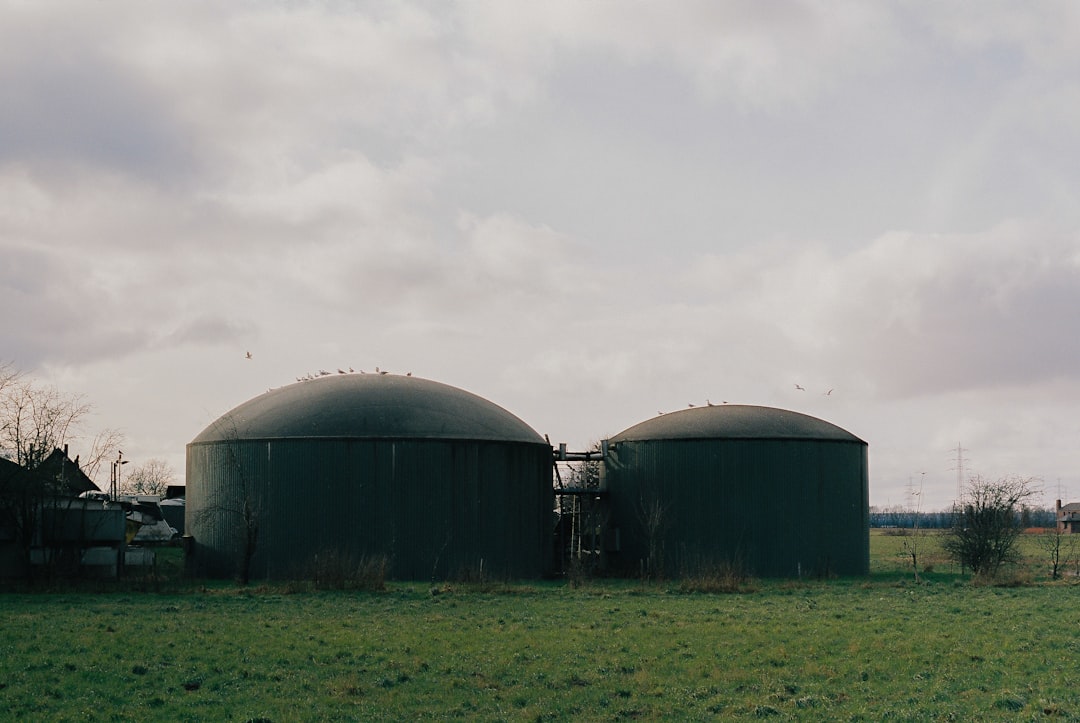
As UK households face mounting energy bills and pressure to reduce carbon emissions, many homeowners are exploring alternative heating solutions beyond mains gas and electricity. Biogas has emerged as a potential option, but is it actually realistic for homes across Britain? Let’s examine the reality behind this renewable energy source.
What Exactly Is Biogas?
Biogas is a renewable energy source produced from the breakdown of organic waste materials, including food scraps, garden waste, agricultural manure, and sewage. Through anaerobic digestion—a process where microorganisms break down organic matter in the absence of oxygen—biogas is generated and can be used for heating, cooking, and electricity generation.
The gas produced is primarily methane (CH4) and carbon dioxide (CO2), making it remarkably similar to conventional natural gas in terms of combustion properties. This similarity is actually one of biogas’s potential advantages, as existing boilers could theoretically use it with minimal modification.
The Current Reality for UK Homes
Here’s the honest truth: biogas is not currently a realistic heating option for most UK households. While it’s theoretically promising, several significant barriers prevent widespread residential adoption.
Currently, there’s no established biogas distribution network for domestic properties comparable to the mains gas network operated by the regional distribution network operators (DNOs). Unlike electricity or gas supplied through established Ofgem-regulated networks, biogas remains largely confined to commercial and agricultural settings where anaerobic digesters are installed on-site.
The few biogas initiatives available to homeowners are limited and experimental. Some rural properties, particularly farms, can generate their own biogas through anaerobic digesters, but this requires significant upfront investment—typically £30,000 to £100,000+ depending on scale—plus ongoing maintenance expertise.
Biogas Injection Into the Grid
One promising development is biomethane injection into the existing gas network. Several energy companies have begun accepting biomethane from small-scale producers, though this remains niche. Homeowners or small communities with anaerobic digestion systems can theoretically inject surplus gas into the network and receive payment.
However, the process involves strict quality standards, regulatory compliance, and metering equipment installation. The financial returns are modest—typically 5-8p per kilowatt-hour—which means a household would need a substantial digester to see meaningful returns. For most homeowners, payback periods stretch beyond 10-15 years, making it an unattractive investment when compared to other renewable heating technologies.
Comparing Biogas to Realistic Alternatives
If you’re seeking renewable heating solutions for your UK home, several more practical options deserve consideration:
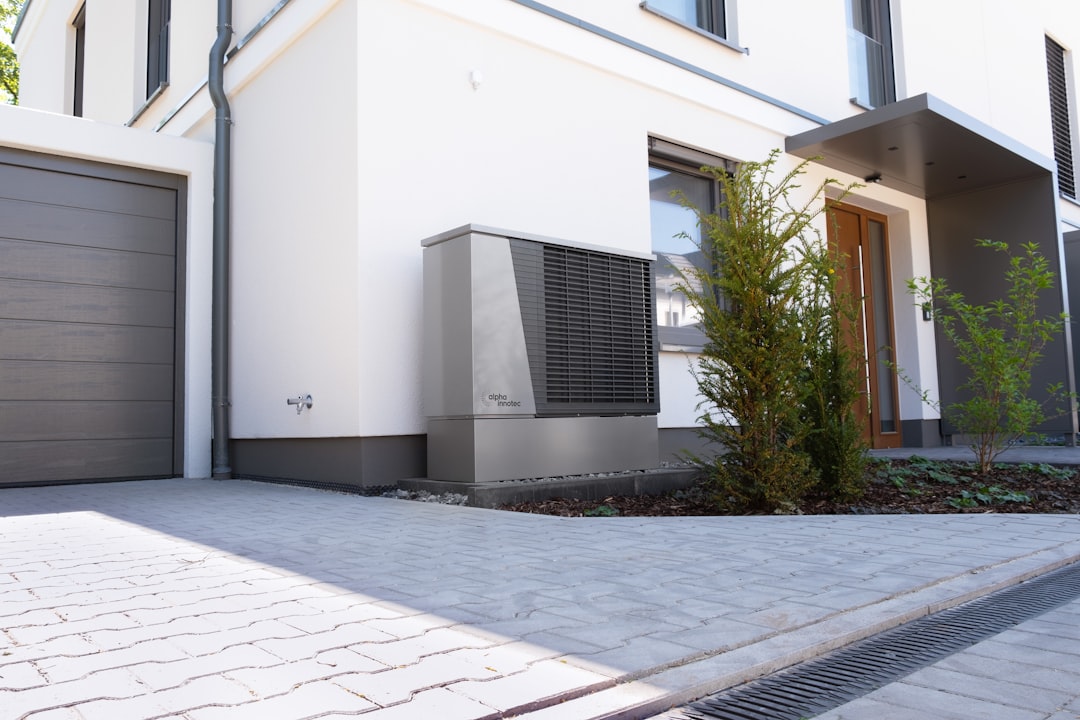
- Heat Pumps: Air source and ground source heat pumps are increasingly affordable, with government grants available through schemes like the Boiler Upgrade Scheme (BUS). While installation costs range from £6,000 to £15,000, these systems work in most UK properties and provide reliable heating.
- Solar Thermal Panels: These systems use the sun’s energy to heat water and can significantly reduce your heating bills, with costs typically between £4,000 and £8,000.
- Biomass Boilers: Unlike biogas, biomass boilers burn solid renewable fuels like wood pellets or logs. They’re viable for properties off the mains gas network and can receive support through the Renewable Heat Incentive (RHI) scheme, though this scheme has changed recently.
- Hybrid Systems: Combining heat pumps with existing boilers or solar thermal systems often provides the most cost-effective renewable heating for UK homes.
The Infrastructure Challenge
Building a national biogas distribution network for domestic use would require enormous investment in pipeline infrastructure, similar to the gas network Ofgem currently regulates. The UK government hasn’t prioritized this development, partly because other renewable technologies are further advanced and more economically viable.
Additionally, biogas availability depends on consistent supplies of organic waste. While the UK generates substantial waste annually, collection, transportation, and processing logistics remain challenging at the scale needed for residential distribution networks.
Future Potential
Though biogas isn’t realistic for most UK homes today, the longer-term outlook may change. Several factors could shift this landscape:
- Government investment in biogas infrastructure and grants for domestic anaerobic digesters
- Technological advances reducing digester costs and complexity
- Increased focus on waste-to-energy solutions as part of circular economy initiatives
- Community-scale biogas projects serving multiple properties
Scotland and Wales have shown slightly more interest in biogas development, with some local initiatives supporting small-scale projects. However, nationwide residential biogas heating remains a distant prospect rather than an imminent reality.
Making Sense of Your Options
If you’re frustrated with rising energy bills and exploring sustainable heating, focus your efforts on proven renewable technologies. Start by getting a professional energy assessment of your property—many local authorities and organisations offer free consultations.
Check your eligibility for government support schemes like the Boiler Upgrade Scheme, which offers £5,000-£6,000 grants towards heat pump installation. Compare these established options with your current energy tariff; you might find switching suppliers through Ofgem-regulated comparison services saves money while you plan longer-term renewable investments.
For rural properties, biomass boilers often outperform biogas in both availability and cost-effectiveness. For urban homes, heat pumps increasingly represent the most realistic path to renewable heating.
The Bottom Line
Biogas is a genuine renewable energy technology with real potential, but it’s not a realistic solution for the average UK household in 2024. The lack of distribution infrastructure, high upfront costs for on-site generation, and superior alternatives make biogas impractical for residential use at present.
That said, don’t let this discourage sustainable energy efforts. Proven renewable heating technologies exist today, supported by government schemes and increasingly affordable pricing. Start by exploring heat pumps, solar thermal systems, or biomass options suited to your property and location.
Ready to reduce your energy bills? Begin by comparing your current energy tariff—you could be overpaying simply by staying with your supplier. Then investigate government grants for renewable heating in your area. The combination of energy efficiency improvements and switching to a better tariff often delivers immediate savings whilst you plan longer-term renewable heating investments. Don’t wait for biogas networks that may never arrive; take control of your energy costs today.
0 Comments