
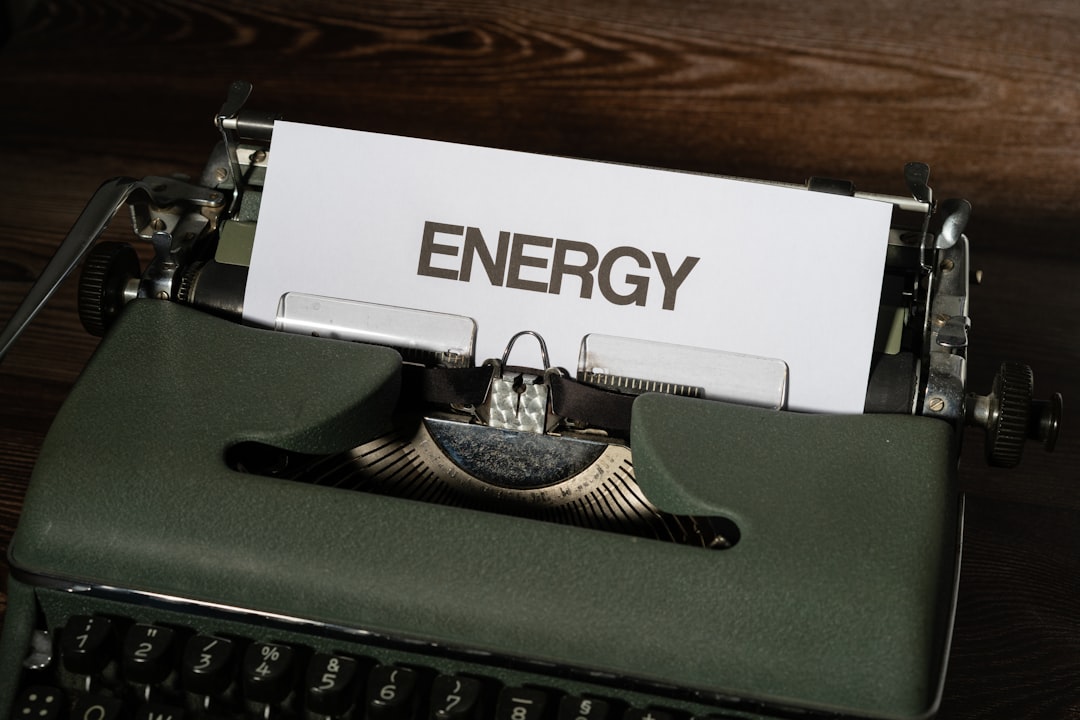
Understanding the Energy Price Cap
The energy price cap is Ofgem’s crucial mechanism for protecting UK households from excessive energy charges. It sets the maximum amount energy suppliers can charge for gas and electricity, and it’s adjusted quarterly to reflect wholesale market costs. For many British households, the price cap determines whether energy remains affordable or becomes a significant financial burden.
In 2026, understanding how this cap works is essential because wholesale energy prices continue to fluctuate unpredictably. While the cap provides protection, it doesn’t mean your bills won’t increase—it simply means they won’t exceed Ofgem’s calculated limit for your usage patterns. This year, many households are experiencing price adjustments that reflect both global energy markets and domestic supply costs.
How the Price Cap is Calculated
Ofgem recalculates the price cap every three months, taking into account several factors. These include wholesale gas and electricity costs, network charges for maintaining distribution infrastructure, environmental and social levies, and supplier operating costs. The calculation assumes a typical household uses 2,700 kilowatt hours of electricity and 11,500 kilowatt hours of gas annually.
If your household uses significantly more or less than these figures, your actual bills will differ from the price cap level. This is why understanding your personal consumption patterns matters as much as knowing the official cap figure. The cap provides an upper limit, but your individual bill depends on your specific usage.
The Impact on Your 2026 Bills
For 2026, the price cap continues to fluctuate quarterly. The January cap adjustment set the maximum annual bill for a typical dual-fuel household on a standard variable tariff. If you’re on the standard variable rate, your supplier cannot charge you more than this amount for the specified usage levels.
However, several important nuances affect how the cap impacts your wallet. First, if you pay by direct debit with quarterly billing, you’ll notice gradual adjustments to your monthly payments. Second, if you pay by prepayment meter or monthly instalments, the cap still applies but may affect your cash flow differently. Third, if you’re on a fixed-rate deal that expired, you’ll revert to the standard variable rate, which means the cap now protects you but prices have likely increased from your previous fixed contract.
Why Your Bill Might Differ from the Cap
Many households assume their bill equals the price cap figure, but several reasons explain discrepancies. Standing charges—the daily fee for maintaining your supply—vary by region and supplier, even within the capped rates. Regional variations mean households in different parts of the UK face different network costs, reflected in their bills despite being under the same cap.
Additionally, if your actual consumption exceeds the assumed typical usage, you’ll pay more. During winter months, heating demands increase consumption, pushing bills higher. Smart meter readings provide accurate consumption data, but estimates based on historical usage might not reflect current household needs.
Your Options Beyond the Price Cap
The price cap protects you from excessive charges, but it doesn’t prevent you from seeking better deals. Fixed-rate tariffs sometimes offer rates competitive with or even lower than the standard variable cap, particularly if you lock in during periods of lower wholesale costs. These fixed deals provide certainty and protection if wholesale prices rise.
Switching suppliers remains one of the most effective ways to manage energy costs. Even with the price cap, different suppliers operate at different efficiency levels and cost structures. Checking comparison websites and switching if better deals exist can save hundreds of pounds annually. The process takes just weeks, and there are no penalties for leaving when your contract allows.
Practical Steps to Reduce Your 2026 Energy Bills
Beyond relying on the price cap, several actionable strategies lower your energy consumption and costs. Installing loft insulation, draught-proofing doors and windows, and using heavy curtains reduce heat loss during winter. Draught strips cost just a few pounds but deliver significant warmth retention benefits.
Smart thermostats allow you to control heating remotely and set schedules matching your lifestyle. These devices typically cost £100-£300 but can reduce heating costs by 10-15 percent. Similarly, switching to LED lighting throughout your home cuts electricity use dramatically compared to older bulbs.
Water heating represents another major cost. Insulating your hot water cylinder with a jacket, fixing leaky taps promptly, and taking shorter showers all reduce consumption. Using appliances efficiently—running full loads in washing machines and dishwashers, using lids on saucepans—also lowers energy requirements.
Government Support and Schemes
The government offers various support schemes in 2026. The Energy Price Guarantee continues protecting vulnerable households, and the Winter Fuel Payment helps eligible pensioners with heating costs. Check whether you qualify for the Warm Home Discount Scheme, which provides £150 credit to eligible low-income households.
Additionally, some suppliers offer payment schemes for customers in financial difficulty. If energy bills strain your budget, contact your supplier immediately—they have obligations to help vulnerable customers and can discuss flexible payment arrangements.
Monitoring Your Bills in 2026
Regularly reviewing your energy bills ensures you’re paying correctly under the price cap. Install a smart meter if you haven’t already—they provide real-time consumption data, helping you identify usage patterns and make informed changes. Request meter readings quarterly and compare against supplier estimates.
Sign up for price cap notifications through Ofgem’s website or energy comparison sites so you understand when adjustments occur. This knowledge helps you make strategic switching decisions aligned with market conditions.
Take Control of Your Energy Costs
The energy price cap protects you from excessive charges in 2026, but protection doesn’t mean complacency. Combine the security the cap provides with practical consumption reductions and strategic switching decisions. Review your current supplier and tariff today—even small changes compound into significant annual savings. Visit price comparison websites, check fixed-rate options, and implement simple energy efficiency measures around your home. Your wallet will thank you when your 2026 energy bills arrive.
0 Comments