
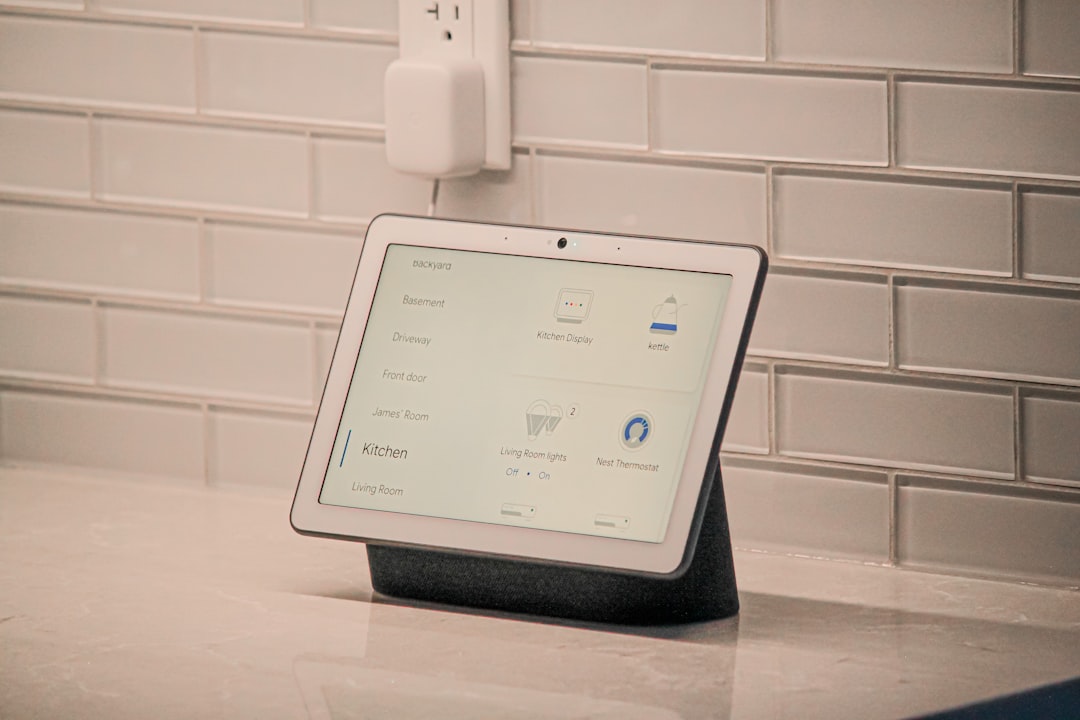
Why Smart Home Technology Matters for Your Energy Bills
With energy prices continuing to fluctuate and many UK households facing higher bills, finding ways to reduce consumption has never been more important. Smart home devices offer a practical solution, allowing you to monitor and control your energy usage with precision. According to recent data, households using smart technology can reduce their energy bills by 10-15% annually—that’s potentially hundreds of pounds back in your pocket.
The beauty of smart devices is that they work around the clock, optimising your energy consumption even when you’re not thinking about it. Combined with switching to better energy tariffs and shopping around with different suppliers, smart technology represents a genuine opportunity to lower your household expenses significantly.
Smart Thermostats: The Game-Changer
A smart thermostat is arguably the most impactful investment you can make. Devices like Nest, Hive, and Ecobee learn your heating patterns and automatically adjust temperatures based on your behaviour and the weather outside. Rather than heating your home to a fixed temperature all day, these devices ensure you’re only paying for warmth when you actually need it.
Installing a smart thermostat typically costs between £200-£400, including professional installation. However, most UK households see payback within 1-2 years through reduced heating bills. Many thermostats also provide detailed energy reports, helping you understand exactly where your heating money goes. You can control them remotely via smartphone apps, meaning you won’t waste energy heating an empty house.
Look for thermostats with Ofgem-approved energy rating labels to ensure they meet UK standards. Some suppliers, including major ones like British Gas and EDF, offer competitive rates on installation and may even provide subsidies through government schemes.
Smart Plugs and Power Strips
Phantom power drain—electricity consumed by devices left on standby—costs the average UK household around £40 annually. Smart plugs eliminate this waste by cutting power to devices automatically when they’re not in use.
These affordable devices (typically £10-£25 each) let you schedule when appliances turn on and off, monitor real-time power consumption, and control everything remotely. Plug your TV, computer setup, gaming console, or kitchen appliances into smart plugs, then set schedules to prevent unnecessary standby drain.
Smart power strips are even better for managing multiple devices. They prevent phantom loads across your entire entertainment system or home office setup, making them particularly valuable if you have numerous gadgets plugged in simultaneously.
Smart Lighting Systems
Lighting accounts for roughly 15% of household electricity use. Smart lighting systems, particularly LED bulbs with smart features (like Philips Hue or LIFX), offer significant savings.
These bulbs do more than just turn on and off remotely. They adjust brightness automatically based on natural light levels, turn off in unoccupied rooms, and run at lower power levels when full brightness isn’t needed. Motion sensors can trigger lights only when someone enters a room, and scheduling features ensure lights don’t run unnecessarily overnight or when nobody’s home.
LED technology itself is already efficient, using 80% less energy than traditional incandescent bulbs. Combined with smart controls, you’re looking at potential savings of 40-50% on lighting costs—typically £30-£60 annually for average households.
Smart Water Heaters and Immersion Tanks
Hot water heating is one of your biggest energy expenses. Smart water heaters and immersion tank controllers (like Hive Active Heating or Drayton Wiser) heat water only when you need it, rather than maintaining constant temperature.
These devices learn your household’s hot water usage patterns and heat water during off-peak hours if you’re on Economy 7 or similar time-of-use tariffs. This can save substantial amounts—particularly for larger families or households with higher hot water demands.
If you’re considering this investment, ensure it’s compatible with your current boiler system before purchasing. Installation costs around £150-£300, but savings can reach £100+ annually for the average household.
Smart Radiator Valves
These intelligent thermostatic valves give you room-by-room temperature control. Rather than heating unused rooms or bedrooms during the day, smart radiator valves let you heat only occupied spaces.
At £30-£60 per valve, they’re more affordable than full system replacements. Installing them throughout your home lets you reduce temperatures in less-used rooms whilst maintaining comfort where you spend most time. Many households save 10-15% on heating costs—roughly £100-£200 annually.
Energy Monitoring Devices
You can’t manage what you don’t measure. Whole-home energy monitors (like Sense or the OVO Energy Hub) track your electricity consumption in real time, identifying which appliances drain the most power.
These devices highlight unexpected energy waste and help you make informed decisions about which upgrades offer the best returns. Many plug into your smart meter and sync with your smartphone, providing notifications when consumption spikes. Understanding your usage patterns is the first step toward reducing them.
Costs range from £200-£400, but the insights they provide often lead to savings exceeding the purchase price within the first year.
Maximise Your Savings Strategy
Smart devices work best when combined with other energy-saving strategies. Review your energy tariff regularly—switching suppliers could save you £200-£300 annually. Compare deals on comparison websites and check if you’re on the best available rate with your current provider.
Pair smart technology with basic habits: closing curtains to reduce heat loss, using cold water for laundry, and unplugging chargers when not in use all contribute to lower bills.
Check whether you qualify for government energy-saving schemes. The Energy Company Obligation and local authority grants sometimes subsidise smart device installation for eligible households.
Take Action Today
Smart home technology offers genuine, measurable savings on UK energy bills. Start with a smart thermostat—the highest-impact investment—then add smart plugs, lighting, and monitoring devices as your budget allows. Combined with shopping around for better tariffs and switching suppliers when beneficial, you can realistically reduce annual energy costs by £300-£500.
Don’t wait for next quarter’s bill shock. Invest in smart technology now, compare energy suppliers today, and take control of your household energy spending. Your wallet will thank you.
0 Comments