
With UK energy bills remaining a significant household expense, investing in energy-efficient appliances is one of the smartest decisions you can make. Whether you’re upgrading your kitchen or replacing an old washing machine, choosing the right appliances can save you hundreds of pounds annually whilst reducing your carbon footprint. Let’s explore the best energy-efficient options available to UK households in 2026.
Understanding Energy Ratings and Labels
Before diving into specific appliances, it’s crucial to understand how to identify genuinely efficient products. The EU Energy Label, which the UK still uses, shows energy consumption ratings from A to G, with A being the most efficient. However, don’t just focus on the letter grade—examine the annual energy consumption in kilowatt-hours (kWh) to understand the actual difference between models.
Ofgem data consistently shows that households switching to A-rated appliances can reduce energy consumption by 40-50% compared to older, less efficient models. When comparing products, always check the Energy Label for annual running costs, which are now calculated more realistically than in previous years.
Best Refrigerators and Freezers for 2026
Fridges and freezers run constantly, making them one of your highest energy consumers. Modern A-rated models use around 150-200 kWh annually, compared to 400+ kWh for older machines. Look for appliances with:
- Inverter compressors that adjust cooling based on demand
- Premium insulation and high-efficiency doors seals
- LED interior lighting instead of traditional bulbs
- Fan-assisted cooling systems for even temperature distribution
Brands like Bosch, Liebherr, and Samsung dominate the efficiency market. Expect to pay £400-800 for a high-quality A-rated fridge-freezer, but the annual savings of £30-50 compared to older models means you’ll recoup your investment within 10-15 years.
Washing Machines and Tumble Dryers
Washing machines and dryers are energy-hungry appliances where efficiency really matters. The most efficient A-rated washing machines use just 60-75 kWh annually, whilst older models consume 200+ kWh. Key features to seek include:
- Direct-drive motors with inverter technology
- Load-sensing capabilities that adjust water and energy use
- Eco wash programmes for everyday loads
- High spin speeds (1400+ rpm) to reduce drying time
For tumble dryers, heat pump dryers are revolutionary. They recycle warm air rather than venting it outside, using up to 50% less energy than traditional condenser dryers. A heat pump dryer costs more upfront (£600-900), but saves approximately £100 annually on energy bills.
Alternatively, consider a washer-dryer combo if space is limited, though separate machines are generally more efficient and easier to use.
Dishwashers That Save Money and Water
Modern dishwashers are surprisingly efficient, often using less water and energy than hand-washing. The latest A-rated models consume around 70-85 kWh annually. Smart features worth investing in include:
- Soil sensors that adjust wash intensity automatically
- Delay-start functions to utilise cheaper off-peak electricity
- Quiet operation (under 42dB) with efficient spray arms
- Flexible basket configurations for various loads
Expect to pay £300-600 for a reliable A-rated dishwasher. The convenience factor combined with water and energy savings makes this a worthwhile investment for most households.
Cookers and Hobs
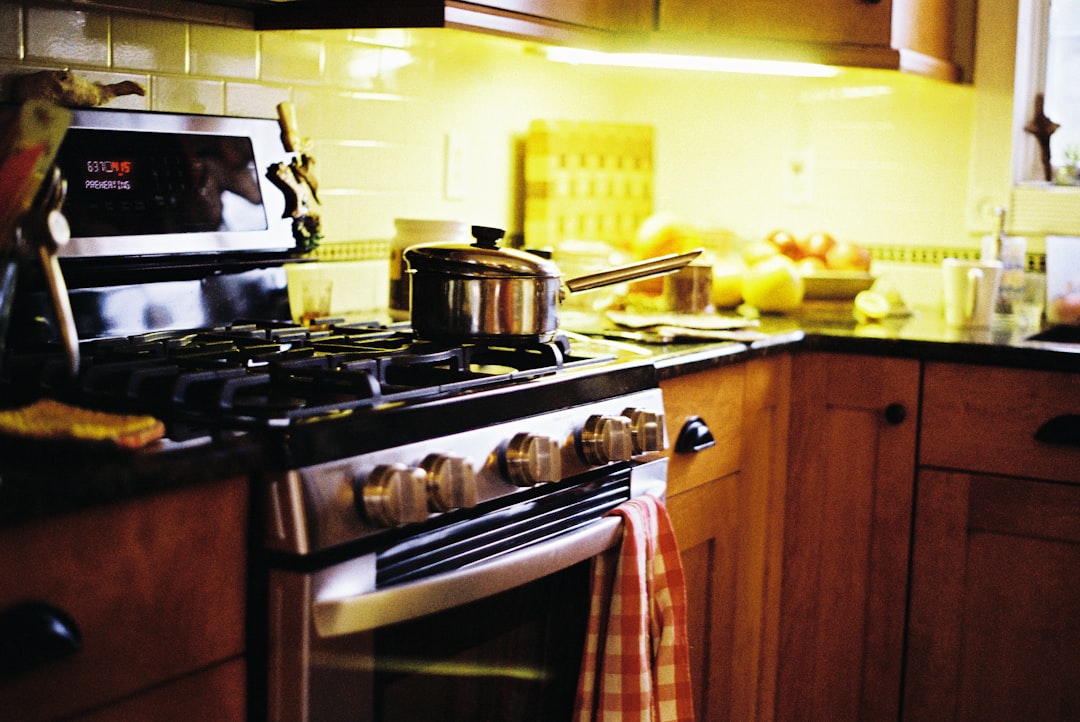
Kitchen cookers deserve attention too. Induction hobs are significantly more efficient than gas or electric coil hobs, transferring 85-90% of energy directly to cookware compared to 65-75% for gas. They also offer better temperature control and faster cooking times. Induction hobs typically cost £200-500 for a decent quality model.
For ovens, look for models with improved insulation, fan-assisted cooking (which heats more evenly and allows lower temperatures), and self-cleaning liners that reduce heat loss.
Air Source Heat Pumps and Heating Systems
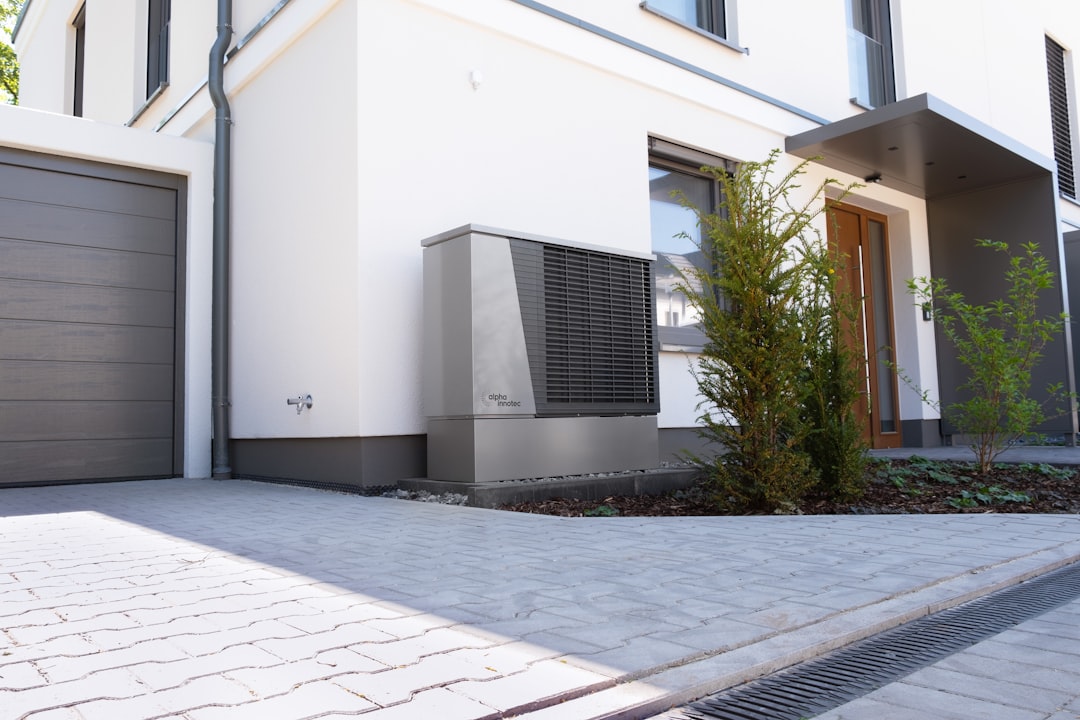
If you’re replacing your heating system, air source heat pumps represent the future of home heating. They’re up to three times more efficient than traditional boilers and can heat your home and water. The Government’s Boiler Upgrade Scheme provides £7,500 grants towards heat pump installation, making them more affordable than ever.
Modern heat pumps work efficiently even in cold UK weather, with seasonal coefficient of performance ratings of 3-4, meaning you get 3-4 units of heat for every unit of electricity used.
Lighting and Small Appliances
Don’t overlook lighting. LED bulbs use 75-80% less energy than incandescent bulbs and last 25,000+ hours. Smart LED bulbs with scheduling and dimming capabilities provide additional savings and convenience.
For small appliances, opt for A-rated kettles, microwaves, and toasters. Whilst individual savings seem modest, they accumulate across multiple devices.
Making Smart Purchasing Decisions
When buying appliances, consider the total cost of ownership, not just the purchase price. Calculate potential annual savings using the Energy Label’s running costs estimate. For major appliances, spread over a 10-15 year lifespan, a £100 price premium often pays for itself through reduced energy bills.
Look for extended warranties on high-value items, and ensure you’re buying from reputable retailers offering good after-sales support. Check reviews specifically mentioning real-world energy consumption, as some appliances underperform compared to manufacturer claims.
Final Thoughts
Upgrading to energy-efficient appliances is one of the most practical steps UK households can take to reduce energy bills and environmental impact. While initial costs are higher than budget alternatives, the long-term savings and improved reliability make premium A-rated appliances a smart investment for 2026 and beyond.
Start by replacing your most energy-hungry appliances—typically older fridges, washing machines, and heating systems. Then work through your home systematically, choosing A-rated models whenever budget allows. You’ll quickly notice reduced energy bills and feel the benefit of investing in quality, efficient appliances.
Ready to save on your energy bills? Compare energy suppliers today to find the best tariff for your usage, and combine savings from efficient appliances with a competitive energy deal for maximum impact on your household budget.
0 Comments