
Understanding Air Source Heat Pumps
Air source heat pumps have become increasingly popular across the UK as homeowners seek ways to reduce their energy bills and carbon footprint. However, many people worry about whether these systems actually work effectively during our cold, damp winters. The good news is that modern air source heat pumps are specifically designed to operate efficiently even when temperatures drop significantly.
An air source heat pump works by extracting thermal energy from the outside air and using it to heat your home and water. Think of it like a refrigerator working in reverse – instead of removing heat from inside and expelling it outside, a heat pump extracts ambient heat from outside air and transfers it indoors, even when that air feels bitterly cold.
How Heat Pumps Function in Low Temperatures
The fundamental principle behind air source heat pumps means they can extract usable heat from air even at temperatures well below freezing. Air at -15°C still contains thermal energy that can be harnessed and amplified using refrigerant technology. The system uses electricity to power a compressor, which concentrates this heat and raises its temperature sufficiently to warm your home and hot water.
Modern air source heat pumps typically remain effective down to around -20°C, though efficiency does decline as outdoor temperatures drop. This is why manufacturers provide a Coefficient of Performance (COP) rating – a measure of how much heat energy the system produces for every unit of electricity consumed. A COP of 3, for example, means the pump generates three units of heat for every one unit of electricity used.
In UK winter conditions, you can expect a COP of between 2.5 and 3.5 for most quality systems, depending on your specific installation and weather patterns in your region.
Frost and Defrosting: What You Need to Know
One challenge air source heat pumps face in cold weather is frost accumulation on the outdoor unit. When moisture in the air condenses and freezes on the heat exchanger, it can temporarily reduce efficiency. However, all modern systems include an automatic defrost cycle that kicks in when needed.
During defrosting, the system reverses briefly to melt any ice buildup. This is a normal part of operation and typically lasts just 10-15 minutes. You might notice a small puff of steam from the outdoor unit during this process – this is completely harmless and expected. The defrost cycle uses a tiny amount of electricity, so it’s negligible in terms of your overall energy consumption.
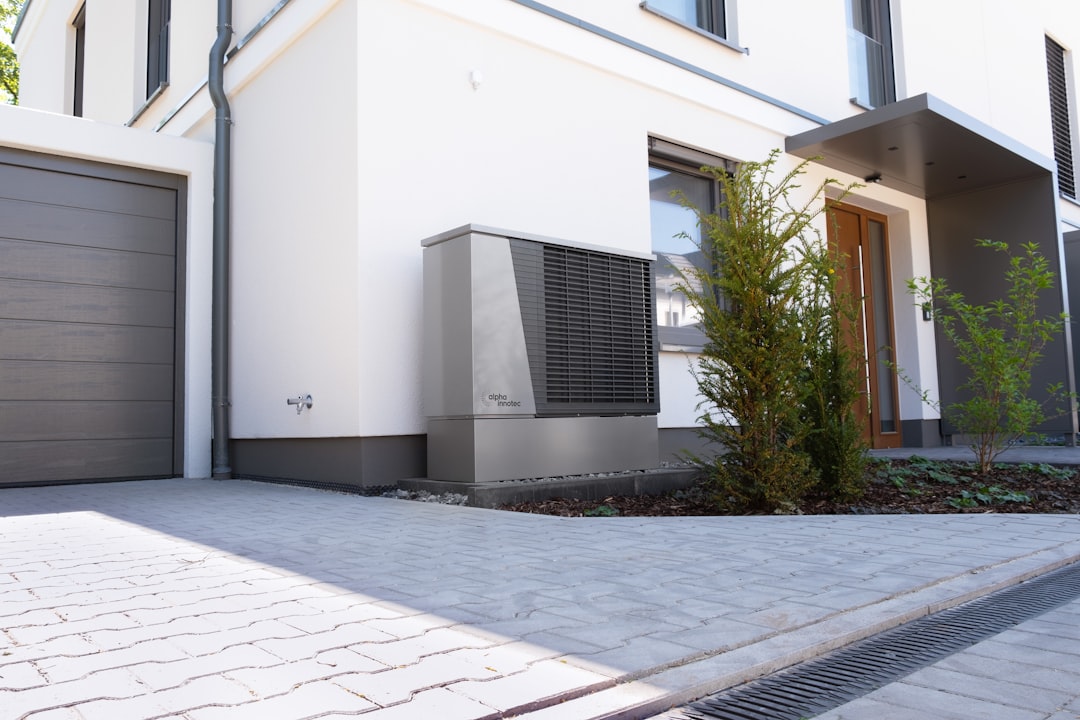
It’s worth ensuring your outdoor unit has adequate clearance and isn’t blocked by snow or debris, as this can impede airflow and force the system to work harder.
Comparing Efficiency: Winter vs Summer
It’s true that air source heat pumps are more efficient during milder months. In spring and autumn, when temperatures hover around 5-10°C, you’ll see better COP ratings and lower running costs. However, this doesn’t mean they become inefficient in winter – they simply become less efficient than in optimal conditions.
Compare this to traditional gas boilers, which maintain relatively consistent efficiency year-round but rely on fossil fuel prices that have been volatile. According to Ofgem data, energy bills have become increasingly unpredictable, making the long-term savings potential of heat pumps an attractive proposition for many UK households.
Optimising Your Heat Pump During Winter Months
To maximise the performance of your air source heat pump during cold weather, consider these practical steps:
- Lower your flow temperature: Modern heat pumps work best at lower water temperatures (around 35-45°C) than traditional boilers. This might require an upgrade to larger radiators or underfloor heating, but it significantly improves efficiency.
- Improve insulation: Better home insulation means your heat pump doesn’t need to work as hard to maintain comfortable temperatures. This is particularly important during winter when heat loss accelerates.
- Use thermostatic controls: Programme your system to maintain steady temperatures rather than constantly adjusting settings. Heat pumps prefer consistent operation over frequent on-off cycles.
- Keep the outdoor unit clear: Remove snow, ice, and leaves regularly to ensure unrestricted airflow around the external unit.
- Consider a hybrid system: In areas with extremely cold winters, some households combine air source heat pumps with gas boilers or immersion heaters as backup. This optimises efficiency and ensures reliable heating during the coldest spells.
Long-Term Savings and Government Support
Despite slightly reduced winter efficiency, air source heat pumps remain financially attractive. The UK government’s Boiler Upgrade Scheme (previously the Clean Heat Grant) offers £5,000 towards installation costs, significantly reducing your upfront investment. When combined with lower running costs – typically 20-40% less than gas boilers – many homeowners recoup their investment within 7-10 years.
The exact savings depend on your current heating system, local electricity and gas prices, and energy tariff. Ofgem’s price cap has made electricity relatively more competitive with gas in recent years, improving the financial case for heat pumps.
Addressing Common Winter Concerns
Many UK homeowners worry their home won’t stay warm enough using a heat pump during harsh winters. In reality, modern systems are sized appropriately during installation to meet your property’s heating demands, even in extreme cold. Manufacturers account for local climate patterns when specifying system capacity.
You might notice your heating takes slightly longer to reach target temperatures on very cold mornings compared to a traditional boiler. This is normal – heat pumps prioritise efficiency over rapid temperature swings. Most homeowners adapt quickly and appreciate the consistent, gentle warmth.
Start Your Heat Pump Journey Today
If you’re currently paying high energy bills for heating, an air source heat pump could transform your household finances. Cold UK winters shouldn’t deter you – modern systems are engineered specifically for our climate and consistently deliver warm, comfortable homes whilst reducing bills.
Contact your local MCS-certified installer for a free survey and quotation. They’ll assess whether your property is suitable, explain available grants, and project your potential savings. With Ofgem’s price cap uncertainty and rising energy costs, investing in a heat pump now could be one of the smartest financial decisions you make for your household’s future. Don’t let winter myths hold you back from substantial long-term savings.
0 Comments