
One of the most common questions people ask before installing an air source heat pump is: “What happens when it gets really cold?” It’s a fair concern — and one that deserves a straight answer rather than marketing spin.
The Basic Principle
An air source heat pump works by extracting heat energy from outside air and transferring it into your home. This works even when the air is cold — because even at -10°C, there is still heat energy in the air that can be extracted. The physics is the same principle that makes your fridge work: refrigerant absorbs heat at low temperatures and releases it at higher ones.
Efficiency Drops in Very Cold Weather
Here’s the honest part: heat pump efficiency (measured as the Coefficient of Performance, or COP) does decrease as outdoor temperatures fall. At 7°C, a good heat pump might have a COP of 3.5 — meaning it produces 3.5 units of heat for every unit of electricity. At -5°C, that might drop to 2.0–2.5.
That’s still more efficient than a direct electric heater (COP of 1.0) and comparable to a gas boiler once you account for the relative costs of electricity and gas. But it’s worth knowing that your heat pump works harder — and costs more to run per hour — during cold snaps.
UK Climate Is Actually Well-Suited
The good news is that the UK’s maritime climate is relatively mild. Prolonged periods below -5°C are uncommon in most of England and Wales. Scandinavian countries successfully use heat pumps in far colder conditions than the UK typically experiences — so our climate is, if anything, well-suited to the technology.
What Happens in a Cold Snap
Modern heat pumps are designed to operate effectively down to around -15°C to -20°C. During a cold snap, your heat pump will simply run for longer to maintain your target indoor temperature. Some systems have a backup immersion heater that kicks in during extreme cold — this uses more electricity but ensures your home stays warm.
The key factor is having the right-sized heat pump for your home’s heat loss. An undersized unit will struggle in cold weather; a properly specified one won’t.
Defrost Cycles
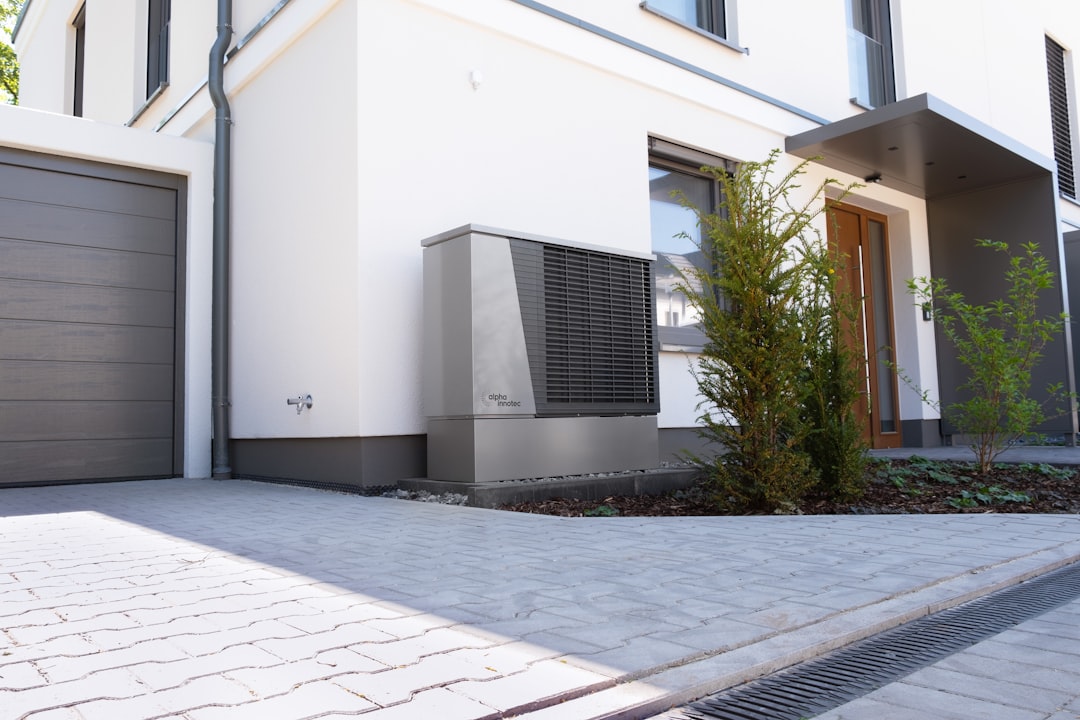
In cold, humid conditions, frost can form on the outdoor unit. Heat pumps have an automatic defrost cycle that temporarily reverses the process to melt the ice — you may notice a brief drop in heating output and a small amount of steam from the unit during this. It’s completely normal and typically lasts only a few minutes.
Making the Most of Your Heat Pump in Winter
- Set a consistent, lower temperature rather than cranking it up and down — heat pumps prefer steady operation
- Make sure your home is well insulated to reduce heat loss
- Use a weather compensation controller if your system supports it — it adjusts output based on outdoor temperature automatically
- Don’t be alarmed by the defrost cycle
Ready to cut your energy costs? Compare deals today and see how much you could save.
0 Comments