
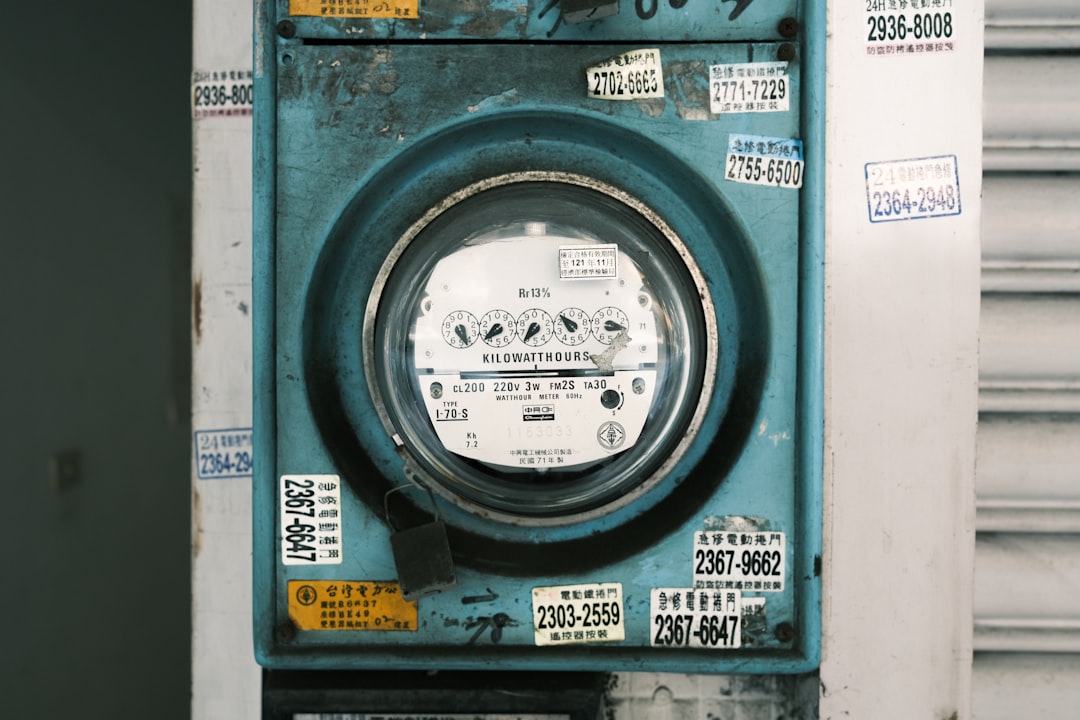
Understanding the Key Differences
When it comes to paying for your energy in the UK, you’ve got choices. The two most common payment methods are prepayment meters and direct debit arrangements. Understanding how each works is the first step to determining which could save you the most money.
Direct debit is the most popular payment method in the UK, used by around 70% of households. You set up an automatic monthly payment from your bank account, typically paying a fixed amount based on your estimated annual consumption. Prepayment meters, on the other hand, require you to load credit onto a key or card before you can use the energy. You only pay for what you use, as you use it.
The fundamental difference is timing: direct debit means paying for energy you’ve already used, whilst prepayment means funding your energy usage in advance.
Direct Debit: The Cost Advantage
Direct debit typically offers better value for money, and here’s why. Suppliers have long preferred direct debit customers because they benefit from improved cash flow and reduced administrative costs. They pass some of these savings on to customers through lower unit rates.
According to Ofgem’s latest price cap figures, direct debit customers generally receive the lowest energy rates available. As of the current price cap, you could save around 10-15% compared to prepayment rates on the same tariff. This represents hundreds of pounds annually for the average household.
Another significant advantage is that direct debit spreads your payments evenly throughout the year. This means you’re not hit with suddenly high bills during winter months when consumption peaks. Many people find this budgeting approach far more manageable than the alternative.
Additionally, if you overpay through direct debit, most suppliers will credit the overpayment back to you. This provides a safety net if your actual usage differs from estimates.
Prepayment Meters: Who Benefits Most?
Prepayment meters aren’t inherently bad, but they do come with higher unit rates. Suppliers charge more per unit of gas and electricity through prepayment because they’re taking on more risk and have greater administrative overhead.
That said, prepayment meters suit certain situations particularly well. If you’ve struggled with bill payments in the past or have poor credit, a prepayment meter might be your only option. They genuinely help some people control spending because you can only use energy you’ve paid for. This built-in budget control prevents debt accumulation.
Prepayment meters also work well if you use very little energy. If your household consumption is minimal, the percentage difference in unit rates might matter less than the flexibility of only paying for what you consume.
The Real Cost Comparison
Let’s look at actual numbers. For the average UK household using 2,700 kWh of electricity and 11,500 kWh of gas annually, direct debit customers typically pay significantly less.
Under the current Ofgem price cap, a direct debit customer might pay around £1,700 annually, whilst the same household on prepayment could pay £1,900-£2,000. That’s a difference of roughly £200-£300 per year. Over a decade, this compounds to substantial savings.
However, these figures vary depending on your supplier, region (Ofgem divides the UK into 14 regions with different unit rates), and consumption patterns. Always check your specific tariff comparison when switching.
Additional Costs to Consider
Beyond unit rates, there are other financial factors worth examining. Prepayment meters sometimes charge standing charges, though recent regulatory changes have improved this. Direct debit accounts might offer discounts for paperless billing or prompt payment, though these are increasingly rare.
Prepayment meter maintenance is typically free, handled by your supplier. If your meter breaks down or needs replacement, you won’t face unexpected costs. Direct debit customers also receive free meter maintenance as standard.
One hidden cost worth considering: if you pay quarterly through direct debit instead of monthly, you might receive a slightly lower rate. However, monthly payments offer better budget management for most households.
Making the Switch: Practical Advice
If you’re currently on prepayment and have improved your financial situation, switching to direct debit could save you substantial money. Contact your energy supplier and ask about switching. Most transfers happen within a few weeks.
Before switching, compare rates properly. Use comparison websites like MoneySuperMarket, Uswitch, or Which? to check actual prices for direct debit across suppliers. Don’t just accept your current supplier’s offer.
If you’re on direct debit, there’s less incentive to switch payment methods. However, regularly shopping around between suppliers remains worthwhile—you might find better rates elsewhere. Roughly 70% of UK customers never switch suppliers, missing out on potential savings.
Technology Changes the Game
Modern smart meters are gradually changing the energy payment landscape. Smart meters provide real-time usage data, potentially allowing for more flexible payment arrangements that don’t fit neatly into either category. If you have a smart meter, discuss payment options with your supplier—you might find intermediate options worth exploring.
Making Your Final Decision
For most UK households seeking maximum savings, direct debit wins convincingly. The 10-15% rate advantage translates into real money over the year. If you can afford to budget monthly payments and have stable income, direct debit is almost certainly your best choice.
Prepayment makes sense if direct debit genuinely isn’t accessible to you, or if you need the spending control it provides. Some people simply prefer knowing exactly what they’re spending upfront.
Whatever you choose, review your option annually. Your circumstances change, and so do tariffs. What made sense last year might not apply now.
Take Action Today
If you’re currently on prepayment and can switch to direct debit, you could save £200-£300 annually. That’s money better spent elsewhere in your household. Get quotes from multiple suppliers today and see what direct debit rates are available in your region. Even if you stay with your current supplier, requesting a payment method change takes minutes. Check your latest bill for contact details, or use your supplier’s online portal. In these times of rising costs, every saving counts—and this one’s entirely within your control.
0 Comments