
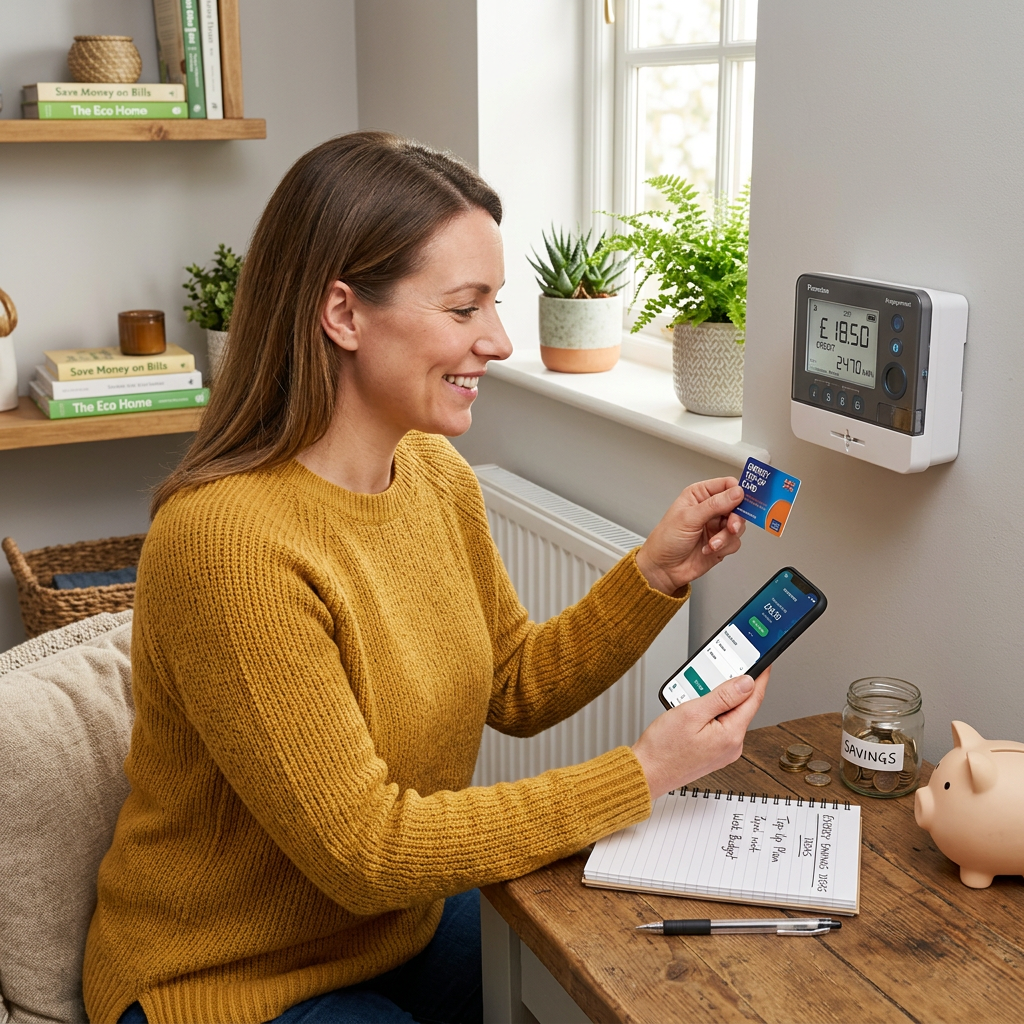
Why Are Prepayment Meters More Expensive? A UK Guide to Costs, Charges and How to Pay Less
Prepayment meters (PPMs) let you pay for gas and electricity in advance, helping many households budget and avoid surprise bills. Yet, they’ve long had a reputation for being pricier than paying by monthly direct debit. This guide explains why prepayment can cost more, what’s changing under UK regulation, and the practical steps you can take today to cut your energy spend.
What is a prepayment meter and how does it work?
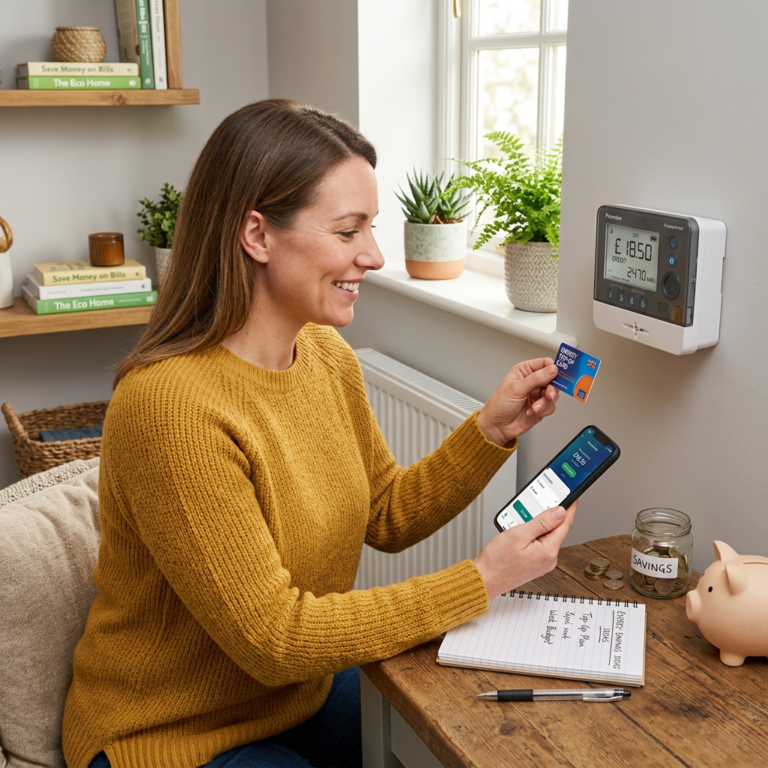
A prepayment meter requires you to top up credit before you use energy. You load money onto a key, card or app, then the meter deducts the cost as you consume gas or electricity. Many newer smart meters can run in prepayment mode and let you top up via an app, online or over the phone—no need to visit a shop.
- Emergency credit: A buffer you can use when funds run out (must be repaid on your next top-up).
- Friendly hours: Some suppliers stop disconnection overnight, at weekends or on bank holidays.
- Debt recovery: If you owe money, a portion of each top-up may go towards repaying debt.
Why do prepayment meters often cost more?
Higher cost to serve and infrastructure
Prepayment customers historically cost suppliers more to support—from top-up networks and payment processing to meter maintenance and customer service. These costs have often been reflected in prices, especially on legacy (non-smart) meters.
Fewer tariffs and less competition
There are typically fewer deals available for prepayment than for direct debit customers. With less competition and fewer fixed offers, it’s harder to access the very cheapest rates.
Risk management and arrears
While PPMs reduce bad debt risk for suppliers, managing emergency credit, friendly hours and debt collection settings still adds complexity. In the past, suppliers priced some of this risk into prepayment tariffs.
Standing charges and regional variation
Standing charges (the daily fee you pay regardless of usage) and unit rates can vary by region and payment method. Even when unit rates are similar, a higher standing charge can make overall costs feel steeper—especially for low users.
Extras: top-up fees and travel
Some third-party top-up channels add small fees. If you don’t have smart top-ups, frequent trips to a PayPoint/PayZone outlet can add time and travel costs that don’t appear on your bill but still hit your budget.
Aren’t regulators fixing the prepayment premium?
Regulators have taken steps in recent years to reduce or remove the “PPM premium” and to improve protections for vulnerable customers. Price caps are reviewed periodically, and differences by payment method have narrowed at times. However, tariff availability, standing charges and regional pricing can still mean prepayment users pay more overall—especially if they miss out on competitive fixed deals or pay extra to top up.
If you have a smart meter, your supplier may be able to switch you remotely to credit (bill) mode if you pass eligibility checks. For more on how smart meters and innovative tariffs affect costs, see How Do Innovative Plans Like Smart Meter Installations Affect Energy Prices?.
Real-world costs you might not spot on the bill
- Emergency credit cycles: Relying on emergency credit can lead to larger-than-planned repayments on your next top-up.
- Debt collection rates: If a portion of each top-up clears debt, less credit goes towards energy—making it feel like you “get less” from every pound.
- Appliance resets: Running out of credit can reset timers/boilers, causing inefficiencies or callout costs.
- Missed off-peak windows: If your meter runs out during cheap periods, you may end up using more at peak times later.
How to pay less on a prepayment meter
-
Compare tariffs regularly.
Even on prepayment, deals vary by supplier and region. Use Compare Your Energy to check live rates and find cheaper options. See our local savings tips here: Get the Inside Scoop: How to Score the Best Local Energy Deals in Your Neighbourhood.
-
Ask about switching to credit/direct debit.
Many suppliers will switch you from prepay to credit mode (especially if you have a smart meter). You may need a credit check and to clear or agree a plan for any debt. Direct debit often unlocks cheaper tariffs and wider choice.
-
Move to smart prepayment and app top-ups.
Smart prepay lets you top up from home, avoid shop fees, set alerts and track spend. It’s easier to manage budgets and avoid disconnections. Learn how smart tech influences pricing: How Do Innovative Plans Like Smart Meter Installations Affect Energy Prices?.
-
Prioritise lower standing charges if you’re a low user.
Standing charges hit low-consumption households hardest. When comparing, look for tariffs with lower daily charges—even if the unit rate is slightly higher—if your usage is modest.
-
Use smart home devices to cut consumption.
Small savings add up quickly on prepay. Try smart thermostats, radiator valves, and efficient plugs to trim kWh. Explore options in Top Smart Home Devices That Will Help You Save Money and Top Smart Home Devices That Save Money: A Guide to Energy Efficiency.
-
Claim support you’re entitled to.
Ask your supplier about the Priority Services Register, discretionary credit in emergencies, and debt support. Check eligibility for schemes like the Warm Home Discount. Charities (e.g., Fuel Bank Foundation) can sometimes provide fuel vouchers.
-
Set affordable debt recovery rates.
If you’re repaying debt via the meter, ask your supplier to set a recovery rate that reflects your circumstances—so you can still afford energy and avoid self-disconnection.
-
Time your usage and track it.
Use your in-home display (IHD) or app to spot high-usage appliances and shift demand to off-peak if you’re on a suitable tariff. Consider broader efficiency steps: Sustainable Living: Tips for Lowering Your Carbon Footprint with Energy-Saving Solutions.
Switching suppliers on prepayment: what to know
- Eligibility: You can usually switch suppliers as a PPM customer. If you have debt, you might still be able to move under the industry’s Debt Assignment Protocol (limits and criteria apply).
- Smart vs. legacy meters: With smart meters, switching is often simpler and can be done without changing hardware. Legacy meters may require new top-up keys/cards.
- Keep evidence: Keep recent top-up receipts and take a photo of your meter balance before switching day, just in case of disputes.
- After the switch: Activate your new supplier’s top-up method promptly and confirm that any transferred debt and repayment settings are correct.
Frequently asked questions
Are prepayment tariffs now the same price as direct debit?
Regulatory changes have narrowed differences at times, but prices still vary by supplier, region and tariff type. Direct debit customers often see more (and cheaper) deals, while prepayment users may face fewer choices and higher standing charges on some tariffs. Always compare.
Can my landlord force me to stay on a prepayment meter?
You usually have the right to choose your energy supplier. Changing the meter type (e.g., from prepay to credit) may require the landlord’s permission if it involves replacing equipment, so check your tenancy agreement and discuss options. Smart meters can make mode changes easier without physical swaps.
Is a smart meter worth it for prepayment?
Typically, yes. Smart prepay brings app top-ups, low-balance alerts and better tracking—helping you avoid emergency credit and cut waste. It can also make switching supplier or moving to credit mode simpler.
The bottom line: prepay doesn’t have to mean paying more
While prepayment has historically been more expensive, you can narrow the gap by comparing tariffs, switching where it makes sense, using smart tools to trim usage and claiming available support. With the right plan and habits, a PPM can be a budget-friendly way to stay in control.
Ready to find a cheaper deal? Compare current offers in your area with Compare Your Energy and see how much you could save today.
0 Comments