
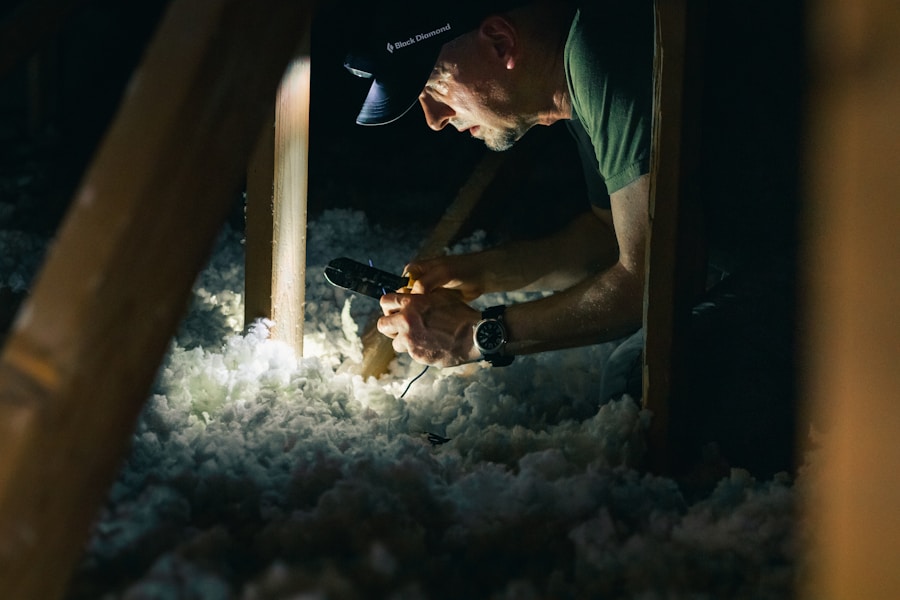
Insulation is a crucial component of any home, as it helps to regulate the temperature and keep energy costs down. Without proper insulation, a home can lose a significant amount of heat in the winter and gain excess heat in the summer, leading to higher energy bills and a less comfortable living environment. Insulation also helps to reduce noise transmission, improve indoor air quality, and increase the overall energy efficiency of a home. By investing in quality insulation, homeowners can create a more comfortable and sustainable living space while also reducing their carbon footprint.
In addition to its energy-saving benefits, insulation also plays a key role in protecting a home from moisture damage and mould growth. Proper insulation can help to prevent condensation from forming on walls and ceilings, which can lead to costly repairs and health issues. By understanding the importance of insulation, homeowners can make informed decisions about the type and amount of insulation needed for their specific home and climate. If you want to compare energy deals, it only takes a few minutes.
Different Types of Insulation Materials
There are several different types of insulation materials available, each with its own unique properties and benefits. Some of the most common types of insulation include fibreglass, cellulose, foam board, and spray foam. Fibreglass insulation is made from tiny glass fibres and is one of the most widely used types of insulation due to its affordability and effectiveness. Cellulose insulation is made from recycled paper products and is known for its eco-friendly properties and fire resistance. Foam board insulation is a rigid panel made from polystyrene or polyurethane and is often used in areas with limited space for traditional insulation. Spray foam insulation is a liquid that expands into a foam when applied and is known for its ability to fill small gaps and cracks.
Each type of insulation material has its own unique advantages and disadvantages, so it’s important for homeowners to consider their specific needs and budget when choosing the right insulation for their home. By understanding the different types of insulation materials available, homeowners can make informed decisions about which type will best suit their needs and provide the most effective thermal performance. You can also free heating and insulation grants to see what’s available.
Insulation Tips for Different Areas of the Home
When it comes to insulating a home, it’s important to consider the specific needs of different areas in order to achieve maximum energy efficiency. For example, attics are one of the most important areas to insulate, as they are often the primary source of heat loss in a home. By adding a layer of insulation to the attic floor and sealing any air leaks, homeowners can significantly reduce their energy bills and create a more comfortable living environment. In addition to the attic, walls, floors, and basements also require proper insulation to prevent heat loss and moisture damage.
In areas with limited space for traditional insulation, such as crawl spaces or around pipes and ducts, homeowners can use foam board or spray foam insulation to effectively fill small gaps and cracks. It’s also important to consider the R-value of insulation materials, which measures their thermal resistance. By choosing insulation with a higher R-value, homeowners can ensure that their home is properly insulated and energy efficient.
DIY vs Professional Insulation Installation
When it comes to insulating a home, homeowners have the option to either install insulation themselves or hire a professional contractor. While DIY insulation installation can save money upfront, it’s important to consider the potential risks and challenges involved. Improper installation can lead to reduced energy efficiency, moisture damage, and even health hazards if not done correctly. Professional contractors have the knowledge and experience to properly assess a home’s insulation needs and install the right type of insulation for maximum energy efficiency.
Professional installation also comes with the added benefit of warranties and guarantees, providing homeowners with peace of mind knowing that their insulation has been installed correctly. However, hiring a professional contractor can be more expensive than DIY installation, so it’s important for homeowners to weigh the costs and benefits before making a decision.
Common Insulation Mistakes to Avoid
When it comes to insulating a home, there are several common mistakes that homeowners should avoid in order to achieve maximum energy efficiency. One of the most common mistakes is using the wrong type or amount of insulation for a specific area, which can lead to reduced thermal performance and higher energy bills. It’s also important to properly seal any air leaks before adding insulation, as air leakage can significantly reduce its effectiveness.
Another common mistake is compressing insulation materials, which can reduce their R-value and thermal performance. It’s important for homeowners to carefully follow manufacturer’s guidelines when installing insulation in order to avoid these common mistakes and ensure that their home is properly insulated.
Maximizing Energy Efficiency with Proper Insulation
Proper insulation plays a key role in maximizing energy efficiency in a home, as it helps to regulate temperature and reduce energy consumption. By investing in quality insulation materials and properly sealing any air leaks, homeowners can significantly reduce their energy bills and create a more comfortable living environment. In addition to reducing energy costs, proper insulation also helps to reduce carbon emissions and lessen the environmental impact of a home.
By maximising energy efficiency with proper insulation, homeowners can also increase the resale value of their home and attract potential buyers who are looking for sustainable and eco-friendly properties. Proper insulation not only provides immediate cost savings but also long-term benefits in terms of comfort, sustainability, and overall home value.
The Cost and Benefits of Insulating Your Home
While insulating a home may require an initial investment, the long-term benefits far outweigh the costs. Proper insulation can lead to significant energy savings, reduced maintenance costs, improved indoor air quality, and increased comfort for homeowners. In addition to these benefits, insulating a home also helps to reduce its environmental impact by lowering carbon emissions and conserving natural resources.
The cost of insulating a home will depend on factors such as the size of the property, the type of insulation materials used, and whether professional installation is required. However, the upfront costs of insulating a home are often recouped through lower energy bills and increased home value over time. By considering the long-term benefits of insulating a home, homeowners can make informed decisions about investing in quality insulation materials and professional installation services. Overall, insulating a home is a wise investment that provides both immediate and long-term benefits for homeowners and the environment alike.
0 Comments