
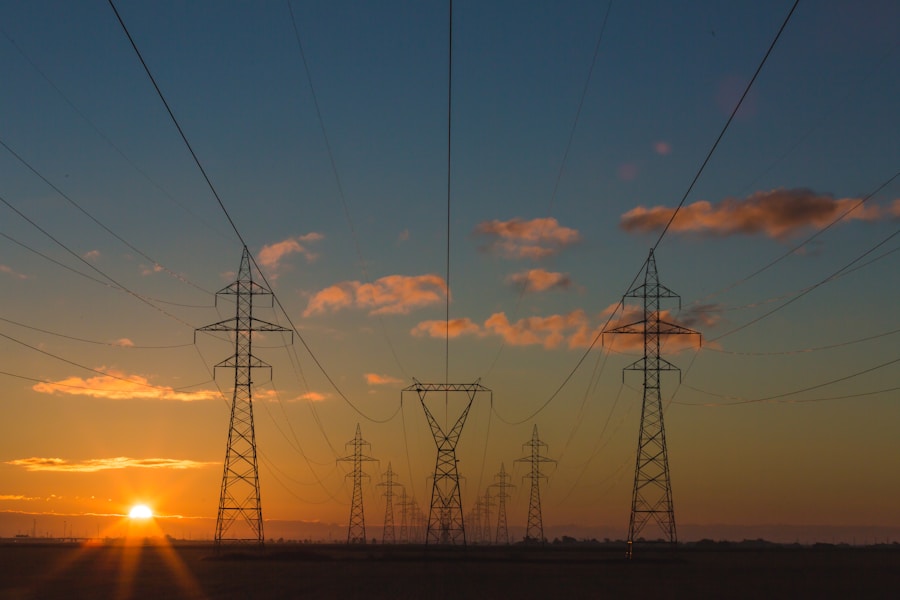
Variable-rate energy plans are a type of energy plan where the rate you pay for electricity or gas can fluctuate from month to month based on market conditions. Unlike fixed-rate plans, where the rate remains constant for the duration of the contract, variable-rate plans offer flexibility but also come with some level of uncertainty. These plans are often appealing to consumers who are willing to take on some risk in exchange for the potential to save money when energy prices are low. However, they may not be the best option for everyone, and it’s important to carefully consider the pros and cons before choosing a variable-rate energy plan.
Pros of Variable-Rate Energy Plans
One of the main advantages of variable-rate energy plans is the potential for cost savings. When energy prices are low, consumers on variable-rate plans can benefit from lower monthly bills compared to those on fixed-rate plans. This can be particularly advantageous during periods of low demand or when there is an oversupply of energy in the market. Additionally, variable-rate plans offer flexibility, as they typically do not come with long-term contracts or early termination fees. This means that consumers have the freedom to switch to a different plan or provider if they find a better deal elsewhere. For those who are comfortable with some level of uncertainty and are willing to closely monitor market conditions, a variable-rate energy plan can offer the opportunity to take advantage of favourable pricing. If you want to compare energy deals, it only takes a few minutes.
On the other hand, variable-rate plans also come with some drawbacks. One of the main disadvantages is the potential for higher costs when energy prices rise. Unlike fixed-rate plans, where the rate is locked in for a set period of time, variable-rate plans leave consumers vulnerable to market fluctuations. This means that during periods of high demand or when energy prices spike, consumers on variable-rate plans may see their monthly bills increase significantly. Additionally, variable-rate plans can be more challenging to budget for, as the monthly bill amount can vary from one month to the next. This can make it difficult for some consumers to predict and plan for their energy expenses, especially those on fixed incomes or tight budgets.
Factors to Consider Before Choosing a Variable-Rate Energy Plan
Before choosing a variable-rate energy plan, there are several factors that consumers should consider. Firstly, it’s important to assess your risk tolerance and financial situation. If you are comfortable with some level of uncertainty and have the flexibility to absorb potential increases in your monthly energy bills, a variable-rate plan may be a good option for you. However, if you prefer stability and predictability in your budgeting, a fixed-rate plan may be a better fit. Additionally, it’s important to carefully review the terms and conditions of the variable-rate plan, including any potential price caps or limits on how much the rate can increase within a certain period. Some variable-rate plans may offer some level of protection against extreme price spikes, which can provide peace of mind for consumers concerned about potential cost increases. You can also free heating and insulation grants to see what’s available.
Another important factor to consider is your ability and willingness to monitor market conditions and potentially switch plans or providers if necessary. Variable-rate plans require more active management compared to fixed-rate plans, as consumers need to stay informed about energy market trends and be prepared to take action if prices start to rise significantly. If you are not comfortable with this level of involvement or do not have the time to regularly monitor energy prices, a fixed-rate plan may be a more suitable option for you.
Who Should Consider a Variable-Rate Energy Plan
Variable-rate energy plans may be a good fit for certain types of consumers. For example, those who are comfortable with some level of risk and uncertainty and are looking to take advantage of potential cost savings during periods of low energy prices may find variable-rate plans appealing. Additionally, consumers who value flexibility and do not want to be locked into a long-term contract may prefer the freedom that variable-rate plans offer. If you have the ability and willingness to closely monitor market conditions and potentially switch plans or providers if necessary, a variable-rate plan may be a suitable option for you.
Furthermore, consumers who expect their energy usage to vary significantly from month to month may also benefit from a variable-rate plan. For example, if you have a seasonal home or frequently travel for extended periods, a variable-rate plan can offer the flexibility to adjust your energy plan based on your changing needs. Additionally, if you are confident in your ability to manage potential cost increases during periods of high energy prices, a variable-rate plan may be a good fit for you.
Who Should Avoid a Variable-Rate Energy Plan
While variable-rate energy plans may be suitable for some consumers, there are certain situations where it may be best to avoid them. For example, if you prefer stability and predictability in your budgeting and do not want to be exposed to potential cost increases, a fixed-rate plan may be a better fit for you. Additionally, if you are on a tight budget or have a fixed income, the variability of monthly bills on a variable-rate plan may make it more challenging to manage your expenses.
Furthermore, consumers who do not have the time or inclination to closely monitor market conditions and potentially switch plans or providers if necessary may find variable-rate plans too demanding. If you prefer a more hands-off approach to managing your energy plan and do not want to worry about potential price fluctuations, a fixed-rate plan may provide the stability and peace of mind that you are looking for.
Conclusion and Final Considerations
In conclusion, variable-rate energy plans offer both advantages and disadvantages, and it’s important for consumers to carefully consider their individual circumstances before choosing this type of plan. While variable-rate plans can offer potential cost savings and flexibility, they also come with the risk of higher costs during periods of high energy prices and require more active management compared to fixed-rate plans. Before making a decision, it’s important to assess your risk tolerance, financial situation, and willingness to monitor market conditions. Additionally, it’s important to carefully review the terms and conditions of any potential variable-rate plan and consider whether it aligns with your needs and preferences.
Ultimately, there is no one-size-fits-all answer when it comes to choosing an energy plan, and what works best for one consumer may not be suitable for another. By carefully considering the pros and cons of variable-rate energy plans and assessing your individual circumstances, you can make an informed decision that aligns with your needs and preferences. Whether you ultimately choose a variable-rate plan or opt for a fixed-rate plan, taking the time to carefully review your options can help ensure that you find an energy plan that meets your needs and provides peace of mind.


0 Comments