
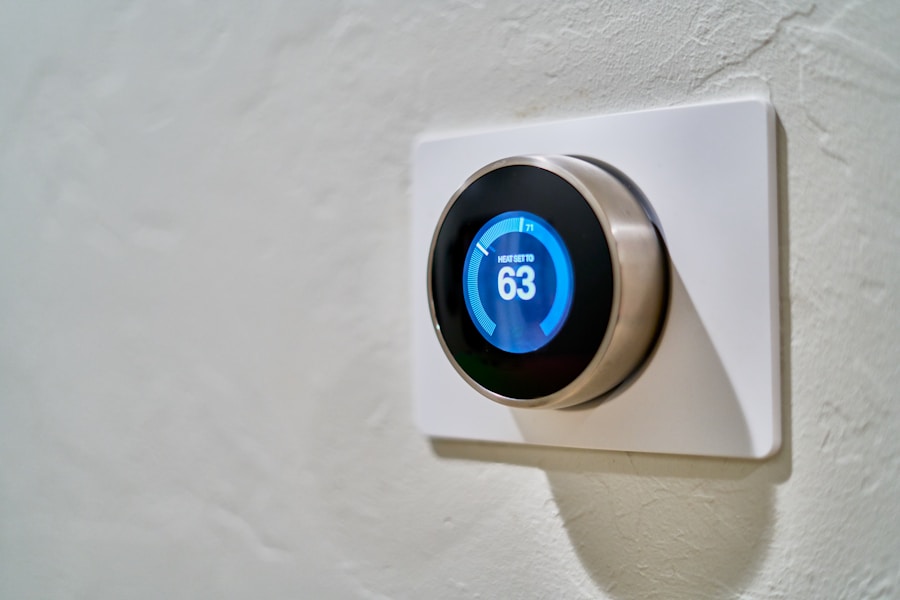
Understanding your energy usage is the first step towards making your home more energy-efficient. By knowing how much energy you are using and where it is being used, you can identify areas for improvement and make informed decisions about how to reduce your energy consumption. One way to do this is by conducting an energy audit, which involves assessing your home’s energy use and identifying opportunities for improvement. This can be done by a professional or through DIY methods such as using energy monitoring devices or analysing your utility bills.
Another important aspect of understanding your energy usage is being aware of peak energy times and how your energy consumption patterns may contribute to peak demand. By being mindful of when you use energy-intensive appliances and making an effort to shift some of your usage to off-peak times, you can help reduce the strain on the energy grid and potentially save money on your utility bills. Additionally, understanding the impact of your energy usage on the environment can also motivate you to make changes to reduce your carbon footprint and contribute to a more sustainable future. If you want to compare energy deals, it only takes a few minutes.
Implementing Energy-Saving Habits
Implementing energy-saving habits is a key part of making your home more energy-efficient. Simple changes in behaviour can have a significant impact on your energy consumption and ultimately, your utility bills. One of the most effective habits to adopt is turning off lights and appliances when they are not in use. This may seem like a small change, but over time, it can add up to significant energy savings.
Another important habit to implement is being mindful of your heating and cooling usage. By adjusting your thermostat by just a few degrees and using ceiling fans or natural ventilation when possible, you can reduce the amount of energy needed to maintain a comfortable temperature in your home. Additionally, being conscious of water usage by fixing leaks, taking shorter showers, and using water-saving appliances can also contribute to overall energy savings. By making these small changes in your daily habits, you can make a big difference in reducing your energy consumption and living a more sustainable lifestyle. You can also free heating and insulation grants to see what’s available.
Investing in Energy-Efficient Appliances
Investing in energy-efficient appliances is a smart way to reduce your home’s energy consumption. When shopping for new appliances, look for the Energy Star label, which indicates that the appliance meets strict energy efficiency guidelines set by the Environmental Protection Agency and the Department of Energy. Energy-efficient appliances may have a higher upfront cost, but they can save you money in the long run through reduced energy usage and lower utility bills.
One of the most significant areas where energy-efficient appliances can make a difference is in the kitchen. Refrigerators, dishwashers, and ovens are some of the most energy-intensive appliances in the home, so choosing models with high energy efficiency ratings can lead to substantial savings. Additionally, investing in energy-efficient lighting, such as LED bulbs, can also make a big impact on your overall energy usage. By gradually replacing old, inefficient appliances with energy-efficient models, you can make your home more sustainable and save money on your energy bills.
Insulating Your Home for Maximum Efficiency
Insulating your home is essential for maximising its energy efficiency. Proper insulation helps to keep your home warm in the winter and cool in the summer, reducing the need for excessive heating and cooling and ultimately lowering your energy consumption. One of the most important areas to insulate is the attic, as heat rises and can easily escape through an uninsulated roof. By adding insulation to your attic, you can prevent heat loss and reduce the strain on your heating system.
Another important area to insulate is the walls and floors of your home. Proper insulation in these areas can help maintain a consistent temperature throughout your home and reduce the need for constant heating or cooling. Additionally, insulating windows and doors with weather stripping or caulking can prevent drafts and further improve the overall energy efficiency of your home. By investing in proper insulation, you can create a more comfortable living environment while also reducing your energy usage and saving money on your utility bills.
Exploring Renewable Energy Options
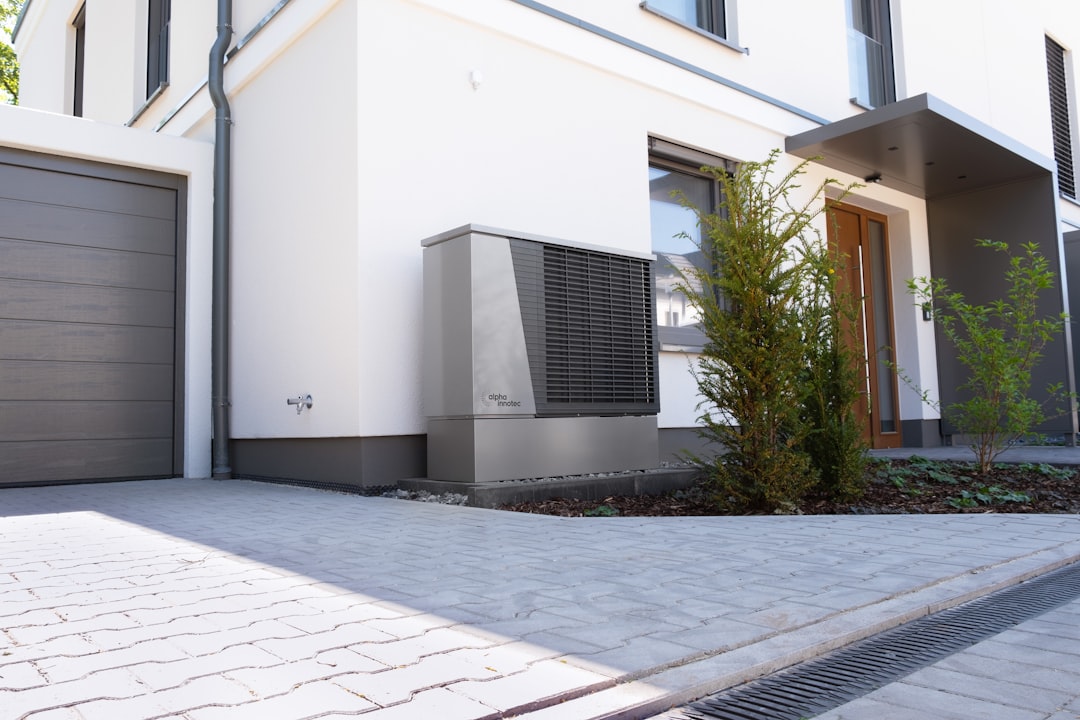
Exploring renewable energy options is a great way to further reduce your home’s reliance on traditional energy sources. Renewable energy sources such as solar panels, wind turbines, and geothermal systems can provide clean, sustainable power for your home while also reducing your carbon footprint. Solar panels, in particular, have become increasingly popular as a way for homeowners to generate their own electricity and even sell excess power back to the grid.
In addition to generating electricity, renewable energy options can also provide heating and cooling solutions for your home. Geothermal heat pumps use the stable temperature of the earth to provide efficient heating and cooling, while wind turbines can generate power for off-grid homes or supplement traditional electricity sources. By exploring these renewable energy options, you can take a proactive step towards reducing your reliance on fossil fuels and contributing to a more sustainable future for our planet.
Taking Advantage of Government Grants and Incentives
Taking advantage of government grants and incentives can help offset the cost of making your home more energy-efficient. Many governments offer financial incentives for homeowners who invest in renewable energy systems, energy-efficient appliances, or home insulation. These incentives can come in the form of tax credits, rebates, or low-interest loans, making it more affordable for homeowners to make sustainable upgrades to their homes.
In addition to financial incentives, some governments also offer free or discounted energy audits to help homeowners identify areas for improvement and make informed decisions about how to reduce their energy consumption. By taking advantage of these programs, homeowners can make their homes more sustainable while also saving money on their utility bills. It’s worth researching what incentives are available in your area and taking advantage of any opportunities to make your home more energy-efficient.
Seeking Professional Advice for Personalised Solutions
Seeking professional advice for personalised solutions is an important step towards making your home more energy-efficient. A professional energy auditor or consultant can assess your home’s specific needs and recommend tailored solutions to help you reduce your energy consumption. They can provide valuable insights into areas for improvement and help you prioritise upgrades based on their potential impact on your home’s overall efficiency.
Additionally, professionals such as HVAC technicians or insulation contractors can provide expert advice on how to optimise your heating and cooling systems or improve the insulation in your home. By seeking professional advice, you can ensure that you are making informed decisions about how to make your home more sustainable and ultimately save money on your energy bills. Whether it’s through an energy audit or consultation with a specialist, seeking professional advice can help you take the most effective steps towards improving your home’s energy efficiency.
In conclusion, making your home more energy-efficient is not only beneficial for reducing your carbon footprint but also for saving money on your utility bills. By understanding your energy usage, implementing energy-saving habits, investing in energy-efficient appliances, insulating your home, exploring renewable energy options, taking advantage of government grants and incentives, and seeking professional advice for personalised solutions, you can make significant strides towards creating a more sustainable living environment for yourself and future generations. With a combination of small changes in behaviour and strategic investments in sustainable technologies, you can make a positive impact on both your wallet and the planet.
0 Comments