
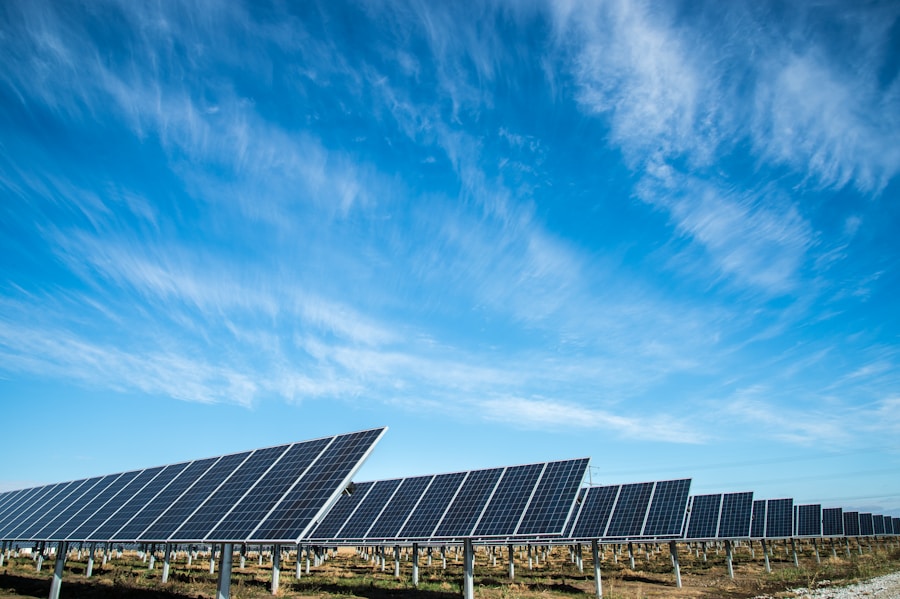
Solar energy is a renewable and sustainable source of power that is harnessed from the sun’s rays. It is a clean and abundant source of energy that can be used to power homes, businesses, and even entire cities. Solar energy is captured through the use of solar panels, which are typically installed on rooftops or in open fields. These panels contain photovoltaic cells that convert sunlight into electricity, which can then be used to power electrical devices and appliances. Solar energy is a popular choice for those looking to reduce their carbon footprint and lower their reliance on traditional fossil fuels.
Solar energy has been gaining popularity in recent years as advancements in technology have made it more affordable and accessible to the general public. The use of solar energy has numerous benefits, including financial savings, government incentives and rebates, increased property value, energy independence and security, environmental benefits, and long-term cost savings. In this article, we will explore each of these benefits in detail and discuss why solar energy is a smart choice for both individuals and communities.
Financial Savings from Solar Energy
One of the most significant benefits of using solar energy is the potential for financial savings. By harnessing the power of the sun, individuals and businesses can significantly reduce their electricity bills. Solar panels can generate a substantial amount of electricity, which means that users can rely less on traditional grid power and save money on their monthly utility bills. In addition, many governments offer financial incentives for those who install solar panels, such as tax credits and rebates. These incentives can help offset the initial cost of installing solar panels, making them an even more attractive option for those looking to save money.
Furthermore, solar energy can also provide a return on investment over time. While the initial cost of installing solar panels may be high, the long-term savings can be substantial. In many cases, solar panels can pay for themselves within a few years through reduced electricity bills and government incentives. This means that individuals and businesses can enjoy free or significantly reduced electricity for many years to come. Overall, the financial savings from solar energy make it a wise investment for those looking to lower their energy costs and increase their financial security.
Government Incentives and Rebates
In addition to the financial savings from reduced electricity bills, there are also numerous government incentives and rebates available to those who install solar panels. Many governments offer tax credits for individuals and businesses that invest in solar energy, which can help offset the initial cost of installation. These tax credits can significantly reduce the overall cost of installing solar panels, making them a more affordable option for many people. In addition to tax credits, some governments also offer cash rebates for those who install solar panels, further reducing the upfront cost.
Furthermore, some governments also offer feed-in tariffs, which allow individuals and businesses to sell excess electricity generated by their solar panels back to the grid. This can provide an additional source of income for those who invest in solar energy, further increasing the financial benefits. Overall, government incentives and rebates make solar energy a more attractive option for those looking to save money and reduce their reliance on traditional grid power. By taking advantage of these incentives, individuals and businesses can make a positive impact on both their finances and the environment.
Increased Property Value
Another benefit of using solar energy is the potential for increased property value. Homes and businesses that are equipped with solar panels are often more attractive to potential buyers, as they offer the opportunity for reduced electricity bills and increased energy independence. This can make properties with solar panels more desirable on the real estate market, potentially leading to a higher resale value. In addition, studies have shown that homes with solar panels tend to sell faster than those without, further demonstrating the appeal of solar energy to potential buyers.
Furthermore, installing solar panels can also improve the overall aesthetics of a property. Many modern solar panels are sleek and low-profile, blending seamlessly into the architecture of a building. This can enhance the visual appeal of a property and contribute to its overall curb appeal. Overall, the increased property value associated with solar energy makes it a smart investment for homeowners and businesses alike. By installing solar panels, individuals can not only enjoy reduced electricity bills but also potentially increase the value of their property in the long run.
Energy Independence and Security
Solar energy also offers the benefit of increased energy independence and security. By generating their own electricity from the sun’s rays, individuals and businesses can reduce their reliance on traditional grid power. This can provide a sense of security in the event of power outages or disruptions to the grid, as solar panels can continue to generate electricity even when traditional power sources are unavailable. This can be particularly beneficial in areas prone to extreme weather events or other natural disasters.
In addition to providing a sense of security, solar energy also offers increased energy independence. By generating their own electricity, individuals and businesses can reduce their dependence on traditional fossil fuels, which are subject to price fluctuations and supply shortages. This can provide a sense of freedom and control over one’s energy supply, as well as contribute to a more sustainable and resilient energy system overall. Overall, the energy independence and security provided by solar energy make it an attractive option for those looking to increase their resilience in the face of potential disruptions to traditional power sources.
Environmental Benefits
One of the most significant benefits of using solar energy is its positive impact on the environment. Unlike traditional fossil fuels, solar energy is a clean and renewable source of power that produces no harmful emissions or pollutants. By harnessing the power of the sun, individuals and businesses can significantly reduce their carbon footprint and lower their impact on the environment. This can help mitigate climate change and reduce air and water pollution, leading to a healthier planet for future generations.
In addition to reducing harmful emissions, solar energy also helps conserve natural resources such as water and land. Unlike traditional power plants, which require large amounts of water for cooling purposes, solar panels require no water to generate electricity. This can help conserve precious water resources in areas prone to drought or water scarcity. Furthermore, solar panels can be installed on rooftops or in open fields, making efficient use of existing space without requiring additional land development. Overall, the environmental benefits of solar energy make it a crucial tool in the fight against climate change and environmental degradation.
Long-Term Cost Savings
Finally, one of the most compelling benefits of using solar energy is the potential for long-term cost savings. While the initial cost of installing solar panels may be high, the long-term savings can be substantial. Solar panels have a long lifespan and require minimal maintenance, meaning that once installed, they can continue to generate electricity for many years with little additional cost. This can result in significant savings on electricity bills over time, potentially paying for the initial cost of installation within a few years.
Furthermore, as technology continues to advance, the cost of solar panels continues to decrease. This means that individuals and businesses can expect even greater cost savings in the future as the price of solar energy continues to fall. In addition, as more people adopt solar energy, economies of scale will further drive down costs, making it an even more affordable option for everyone. Overall, the long-term cost savings associated with solar energy make it a smart investment for those looking to reduce their energy costs and increase their financial security in the long run.
In conclusion, solar energy offers numerous benefits that make it an attractive option for individuals and businesses alike. From financial savings and government incentives to increased property value and environmental benefits, there are many reasons to consider investing in solar energy. By harnessing the power of the sun, individuals can reduce their carbon footprint, increase their energy independence and security, and enjoy long-term cost savings. As technology continues to advance and costs continue to fall, solar energy is becoming an increasingly accessible and affordable option for those looking to lower their energy costs and make a positive impact on the environment. Overall, solar energy is a smart choice for anyone looking to embrace a more sustainable and resilient energy future.
0 Comments