
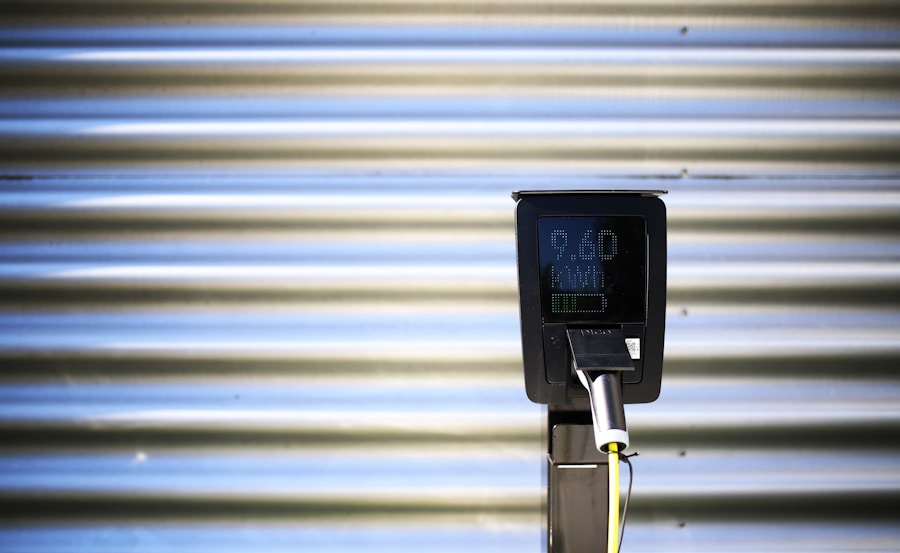
Understanding your energy usage is the first step towards making your home more energy-efficient. By knowing how much energy you are using and where it is being used, you can identify areas for improvement and make informed decisions about how to reduce your energy consumption. One way to do this is by conducting an energy audit, which involves assessing your home’s energy use and identifying opportunities for improvement. This can be done by a professional or through DIY methods such as using energy monitoring devices or analysing your utility bills.
Another important aspect of understanding your energy usage is knowing the different factors that contribute to it. This includes the appliances and electronics in your home, as well as heating and cooling systems, lighting, and insulation. By understanding how these factors impact your energy usage, you can make more targeted efforts to reduce your consumption. Additionally, being aware of peak energy usage times and rates can help you make adjustments to your daily routine to save on energy costs.
Investing in Energy-Efficient Appliances
Investing in energy-efficient appliances is a key way to reduce your home’s energy consumption. Energy-efficient appliances are designed to use less energy while still providing the same level of performance as their less efficient counterparts. This can result in significant savings on your energy bills over time. When shopping for new appliances, look for the Energy Star label, which indicates that the appliance meets strict energy efficiency guidelines set by the Environmental Protection Agency and the Department of Energy.
In addition to choosing energy-efficient appliances, it’s also important to consider the size and capacity of the appliance in relation to your household’s needs. A larger appliance may use more energy than necessary if it is not being fully utilized. It’s also worth considering the lifetime cost of an appliance, including its energy consumption and maintenance costs, rather than just the upfront purchase price. By investing in energy-efficient appliances, you can not only save money on your energy bills but also reduce your environmental impact.
Implementing Energy-Saving Habits
Implementing energy-saving habits in your daily routine is another effective way to reduce your home’s energy consumption. Simple changes such as turning off lights and electronics when not in use, using natural light during the day, and adjusting the thermostat can all add up to significant energy savings over time. Additionally, being mindful of water usage, such as taking shorter showers and fixing leaks, can also contribute to overall energy efficiency.
Another important habit to consider is being mindful of how you use heating and cooling systems. For example, using a programmable thermostat to adjust temperatures based on when you are home or away can help reduce energy consumption. Additionally, regularly cleaning or replacing air filters in heating and cooling systems can improve their efficiency and reduce energy usage. By implementing these energy-saving habits, you can make a positive impact on both your energy bills and the environment.
Maximizing Natural Light and Ventilation
Maximizing natural light and ventilation in your home is a simple yet effective way to reduce your reliance on artificial lighting and heating or cooling systems. By allowing natural light to enter your home during the day, you can reduce the need for electric lighting and lower your energy consumption. This can be achieved by strategically placing windows, skylights, or light tubes in areas where natural light is most beneficial.
In addition to natural light, maximizing ventilation in your home can also help reduce the need for mechanical cooling systems. This can be achieved through proper insulation and air sealing to prevent heat gain in the summer and heat loss in the winter. Additionally, using ceiling fans or opening windows and doors when weather permits can help circulate air and maintain a comfortable indoor temperature without relying on air conditioning.
Utilizing Smart Home Technology
Utilizing smart home technology is a modern approach to improving energy efficiency in your home. Smart thermostats, lighting controls, and appliances can be programmed to adjust settings based on your preferences and daily routines, resulting in reduced energy consumption. For example, smart thermostats can learn your heating and cooling patterns and make automatic adjustments to optimize energy usage.
Smart lighting controls can also be used to adjust lighting levels based on occupancy or time of day, reducing unnecessary energy consumption. Additionally, smart appliances such as refrigerators, washing machines, and dishwashers can be programmed to run during off-peak hours when energy costs are lower. By utilizing smart home technology, you can not only save on energy costs but also enjoy the convenience of a more automated and efficient home.
Conducting Regular Maintenance of Heating and Cooling Systems
Conducting regular maintenance of heating and cooling systems is essential for ensuring their efficiency and longevity. This includes tasks such as cleaning or replacing air filters, checking for leaks or blockages in ductwork, and inspecting the overall condition of the system. By keeping heating and cooling systems well-maintained, you can ensure that they are operating at peak efficiency and using less energy.
In addition to regular maintenance, it’s also important to consider upgrading older heating and cooling systems to more energy-efficient models. Newer systems are often designed to use less energy while providing better performance, resulting in long-term cost savings. By investing in regular maintenance and potentially upgrading your heating and cooling systems, you can improve your home’s overall energy efficiency.
Taking Advantage of Government Incentives and Rebates
Taking advantage of government incentives and rebates is another way to make your home more energy-efficient while saving money. Many governments offer incentives for homeowners who make energy-efficient upgrades such as installing solar panels, upgrading insulation, or replacing old appliances with more efficient models. These incentives can come in the form of tax credits, rebates, or low-interest loans.
In addition to government incentives, many utility companies also offer rebates for making energy-efficient upgrades to your home. This can include rebates for purchasing Energy Star appliances, installing programmable thermostats, or upgrading heating and cooling systems. By taking advantage of these incentives and rebates, you can offset the cost of making energy-efficient upgrades to your home while also reducing your long-term energy expenses.
In conclusion, making your home more energy-efficient is not only beneficial for reducing your energy bills but also for reducing your environmental impact. By understanding your energy usage, investing in energy-efficient appliances, implementing energy-saving habits, maximizing natural light and ventilation, utilizing smart home technology, conducting regular maintenance of heating and cooling systems, and taking advantage of government incentives and rebates, you can make significant strides towards a more sustainable and cost-effective home. With a combination of these strategies, you can create a more comfortable living environment while also contributing to a greener future for generations to come.
0 Comments