
Understanding your energy usage is the first step towards making your home more energy-efficient. Start by conducting an energy audit to identify areas where energy is being wasted. This can be done by hiring a professional energy auditor or by using DIY tools such as energy monitors and thermal leak detectors. Once you have a clear picture of your energy usage, you can start making informed decisions about how to reduce it.
Another important aspect of understanding your energy usage is knowing when and how you use the most energy. This can help you identify patterns and make adjustments to your daily routines to reduce energy consumption. For example, if you notice that you use a lot of energy during peak hours, you can try to shift some of your activities to off-peak hours when energy costs are lower. By understanding your energy usage, you can take proactive steps to reduce it and save money on your energy bills.
Implementing Energy-Saving Practices
Implementing energy-saving practices is an effective way to reduce your energy consumption and lower your utility bills. Simple changes such as turning off lights and appliances when not in use, using energy-efficient light bulbs, and adjusting your thermostat can make a big difference. You can also consider using smart power strips to eliminate standby power consumption from electronics and appliances.
Another energy-saving practice is to improve the insulation in your home. This can help reduce heat loss in the winter and keep your home cooler in the summer, reducing the need for heating and cooling. Additionally, sealing air leaks around windows and doors can prevent drafts and further improve energy efficiency. By implementing these energy-saving practices, you can make your home more comfortable while also saving money on your energy bills.
Upgrading to Energy-Efficient Appliances
Upgrading to energy-efficient appliances is a significant step towards reducing your energy consumption. When shopping for new appliances, look for the Energy Star label, which indicates that the appliance meets strict energy efficiency guidelines set by the Environmental Protection Agency. Energy-efficient appliances such as refrigerators, washing machines, and dishwashers can significantly reduce your energy usage and lower your utility bills.
In addition to upgrading to energy-efficient appliances, consider using smart home technology to further improve energy efficiency. Smart thermostats, for example, can learn your heating and cooling preferences and adjust the temperature accordingly, saving energy and money. Similarly, smart lighting systems can be programmed to turn off lights when not in use, further reducing energy consumption. By upgrading to energy-efficient appliances and using smart home technology, you can make your home more energy-efficient and environmentally friendly.
Weatherproofing Your Home
Weatherproofing your home is an essential step towards improving its energy efficiency. Start by sealing air leaks around windows and doors with weatherstripping and caulking to prevent drafts and heat loss. Additionally, consider adding insulation to your attic, walls, and floors to further improve energy efficiency. This can help keep your home comfortable year-round while reducing the need for heating and cooling.
Another important aspect of weatherproofing your home is ensuring that your heating and cooling systems are well-maintained. Regular maintenance such as cleaning or replacing air filters, checking ductwork for leaks, and tuning up your HVAC system can improve its efficiency and reduce energy consumption. By weatherproofing your home and maintaining your heating and cooling systems, you can make significant strides towards reducing your energy usage and saving money on your utility bills.
Taking Advantage of Government Incentives and Grants
Taking advantage of government incentives and grants can help offset the cost of making your home more energy-efficient. Many governments offer tax credits, rebates, and other financial incentives for homeowners who invest in energy-saving upgrades such as insulation, windows, doors, and heating and cooling systems. Additionally, some local governments offer grants for renewable energy projects such as solar panels or geothermal heat pumps.
In addition to government incentives, consider exploring financing options such as low-interest loans or energy efficiency mortgages to fund your home improvements. These financial tools can help make energy-saving upgrades more affordable and accessible for homeowners. By taking advantage of government incentives and grants, you can make your home more energy-efficient while also saving money on the upfront costs of upgrades.
Exploring Alternative Energy Sources
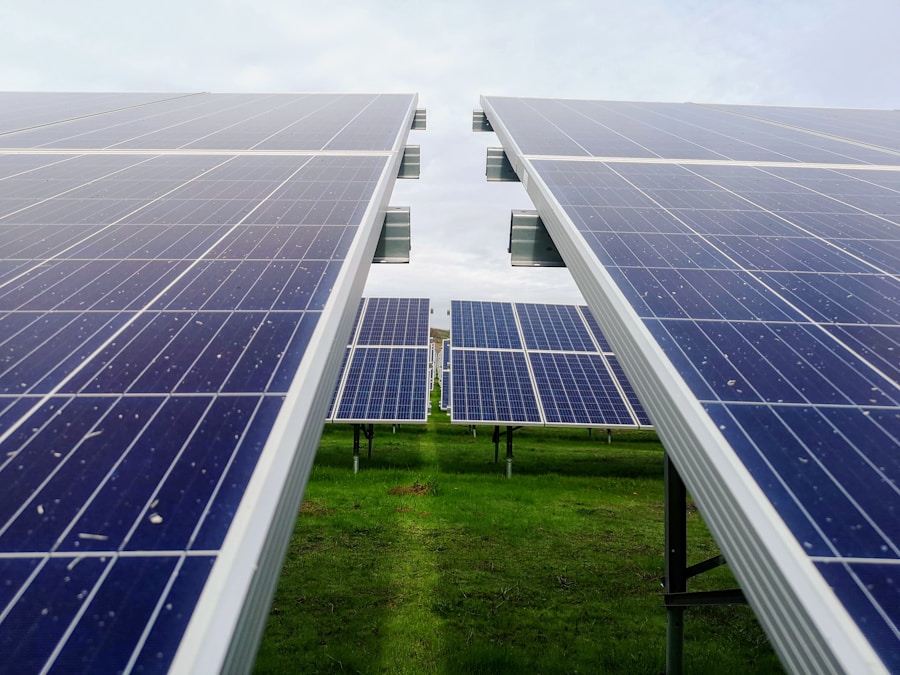
Exploring alternative energy sources is another way to make your home more energy-efficient and environmentally friendly. Renewable energy sources such as solar power, wind power, and geothermal energy can provide clean, sustainable energy for your home. Installing solar panels on your roof, for example, can generate electricity from sunlight and reduce your reliance on the grid.
In addition to generating renewable energy on-site, consider purchasing green power from a renewable energy provider. Many utilities offer green power programs that allow customers to support renewable energy by purchasing electricity generated from renewable sources such as wind or solar. By exploring alternative energy sources, you can reduce your carbon footprint and contribute to a more sustainable future.
Monitoring and Managing Your Energy Consumption
Monitoring and managing your energy consumption is crucial for maintaining an energy-efficient home. Consider using smart meters or energy monitoring systems to track your electricity usage in real-time. This can help you identify areas where energy is being wasted and make adjustments to reduce consumption.
In addition to monitoring your energy usage, consider implementing a home energy management system to automate and control your appliances and systems for optimal efficiency. Smart thermostats, for example, can be programmed to adjust the temperature based on your schedule and preferences, saving energy without sacrificing comfort. By monitoring and managing your energy consumption, you can make informed decisions about how to reduce it and save money on your utility bills.
In conclusion, making your home more energy-efficient is not only beneficial for the environment but also for your wallet. By understanding your energy usage, implementing energy-saving practices, upgrading to energy-efficient appliances, weatherproofing your home, taking advantage of government incentives and grants, exploring alternative energy sources, and monitoring and managing your energy consumption, you can significantly reduce your energy usage and save money on your utility bills. With a combination of these strategies, you can create a more comfortable, sustainable home that benefits both you and the planet.
0 Comments