
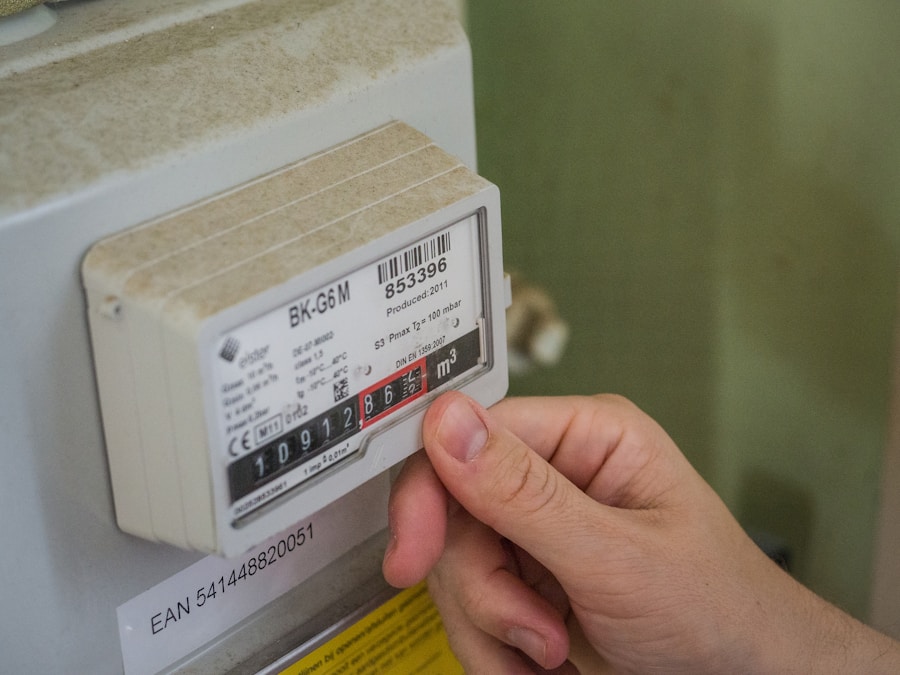
Energy tariffs are the rates that consumers pay for their gas and electricity usage. These tariffs can vary depending on the type of energy plan you are on, the amount of energy you use, and the time of day you use it. Understanding energy tariffs is important for consumers as it can have a significant impact on their monthly bills. With the rising cost of energy, it is crucial for consumers to be aware of the different types of energy tariffs and how they can affect their finances.
Types of Energy Tariffs
There are several types of energy tariffs that consumers can choose from, each with its own set of advantages and disadvantages. The most common types of energy tariffs include standard variable tariffs, fixed-rate tariffs, time-of-use tariffs, and green tariffs. Standard variable tariffs are the default rates that consumers pay for their energy usage and can fluctuate depending on market conditions. Fixed-rate tariffs, on the other hand, offer consumers a set price for their energy usage for a specific period of time, providing stability and predictability in their bills. Time-of-use tariffs vary the cost of energy depending on the time of day it is used, with peak and off-peak rates. Green tariffs allow consumers to support renewable energy sources by paying a premium for their energy usage. Understanding the differences between these tariffs is essential for consumers to make informed decisions about their energy plans.
Factors Affecting Energy Tariffs
Several factors can affect energy tariffs, including market conditions, government policies, and the cost of production. Market conditions such as supply and demand can cause fluctuations in energy prices, leading to changes in tariffs. Government policies, such as taxes and subsidies, can also impact energy tariffs by influencing the cost of production and distribution. Additionally, the cost of production, including fuel prices and infrastructure maintenance, can affect energy tariffs. Understanding these factors can help consumers anticipate changes in energy tariffs and make informed decisions about their energy plans.
Understanding Your Energy Bill
Understanding your energy bill is crucial for managing your energy costs effectively. Your energy bill typically includes details about your energy usage, the tariff you are on, and any additional charges or fees. It is important to review your energy bill regularly to ensure that you are being charged correctly and to identify any opportunities for reducing your energy costs. By understanding the different components of your energy bill, such as the unit rate, standing charge, and VAT, you can gain insight into how your energy costs are calculated and identify areas where you can make savings.
How Energy Tariffs Impact Your Wallet
Energy tariffs can have a significant impact on your wallet, as they determine how much you pay for your gas and electricity usage. Choosing the right energy tariff for your needs can help you save money and manage your household budget more effectively. For example, opting for a fixed-rate tariff can provide stability in your bills and protect you from price increases in the market. On the other hand, time-of-use tariffs can incentivise you to shift your energy usage to off-peak hours, reducing your overall costs. By understanding how energy tariffs impact your wallet, you can make informed decisions about your energy plan and take steps to minimise your expenses.
Tips for Managing Energy Costs
There are several tips for managing energy costs that consumers can implement to reduce their monthly bills. One effective way to save on energy costs is by improving the energy efficiency of your home, such as insulating your walls and upgrading to energy-efficient appliances. Additionally, being mindful of your energy usage and making small changes, such as turning off lights and appliances when not in use, can lead to significant savings over time. Comparing different energy tariffs and switching to a more cost-effective plan can also help you reduce your energy expenses. By implementing these tips, consumers can take control of their energy costs and make their household budget more sustainable.
Conclusion and Next Steps
In conclusion, understanding energy tariffs is essential for consumers to manage their energy costs effectively. By familiarising themselves with the different types of energy tariffs, factors affecting energy tariffs, and how they impact their wallet, consumers can make informed decisions about their energy plans. Additionally, understanding their energy bills and implementing tips for managing energy costs can help consumers reduce their monthly expenses and make their household budget more sustainable. As the cost of energy continues to rise, it is crucial for consumers to be proactive in managing their energy costs and exploring opportunities for savings. By taking these steps, consumers can take control of their finances and ensure that they are getting the best value for their energy usage.
0 Comments