
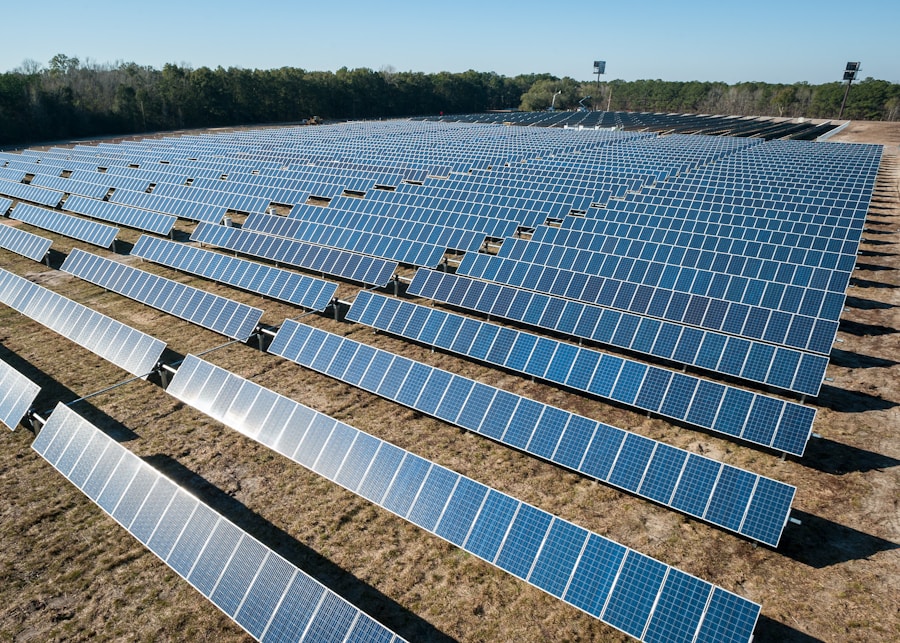
Wind energy is a form of renewable energy that harnesses the power of the wind to generate electricity. This process involves the use of wind turbines, which are designed to capture the kinetic energy of the wind and convert it into electrical power. The basic principle behind wind energy is relatively simple: as the wind blows, it causes the blades of the turbine to rotate, which in turn drives a generator to produce electricity. This electricity can then be used to power homes, businesses, and even entire communities.
The technology behind wind energy has advanced significantly in recent years, with modern wind turbines becoming more efficient and reliable. These turbines are typically installed in areas with high average wind speeds, such as coastal regions or open plains, where they can generate the maximum amount of electricity. In addition, advancements in turbine design and construction have made it possible to install larger and more powerful turbines, further increasing the potential for wind energy generation. Overall, wind energy is a clean and sustainable source of power that has the potential to play a significant role in meeting the world’s growing energy needs.
Advantages of Wind Energy: A Sustainable and Renewable Resource
One of the key advantages of wind energy is that it is a sustainable and renewable resource. Unlike fossil fuels such as coal, oil, and natural gas, which are finite and non-renewable, wind energy is derived from an abundant and inexhaustible source: the wind. As long as the sun continues to shine and the Earth’s atmosphere remains in motion, there will always be wind to power our turbines. This makes wind energy an attractive option for meeting our long-term energy needs without depleting natural resources.
In addition to its sustainability, wind energy also offers several other advantages. For example, it produces no greenhouse gas emissions or air pollutants during operation, making it a clean and environmentally friendly source of power. This can help to reduce the harmful effects of climate change and air pollution, leading to improved public health and environmental quality. Furthermore, wind energy can help to diversify our energy sources and reduce our dependence on imported fossil fuels, enhancing energy security and stability. Overall, the advantages of wind energy make it a compelling option for meeting our energy needs in a sustainable and responsible manner.
Environmental Benefits: Reducing Carbon Emissions and Pollution
Wind energy offers significant environmental benefits by reducing carbon emissions and air pollution. Unlike traditional fossil fuel-based power plants, which release large amounts of carbon dioxide and other pollutants into the atmosphere, wind turbines produce no emissions during operation. This helps to mitigate the harmful effects of climate change by reducing the amount of greenhouse gases in the atmosphere, thereby slowing the rate of global warming.
In addition to reducing carbon emissions, wind energy also helps to improve air quality by reducing the release of harmful pollutants such as sulfur dioxide, nitrogen oxides, and particulate matter. These pollutants can have serious health impacts, including respiratory problems, heart disease, and premature death. By replacing fossil fuel-based power plants with clean and renewable wind energy, we can help to protect public health and reduce the burden of air pollution on communities.
Furthermore, wind energy can help to conserve water resources by reducing the need for water-intensive cooling systems used in traditional power plants. This can help to alleviate water scarcity in regions facing drought or water stress, while also protecting aquatic ecosystems from the harmful effects of water withdrawal and pollution. Overall, the environmental benefits of wind energy make it a valuable tool for addressing climate change and promoting sustainable development.
Economic Impact: Job Creation and Energy Independence
Wind energy has a significant economic impact by creating jobs and promoting energy independence. The development, construction, and operation of wind farms require a skilled workforce, including engineers, technicians, construction workers, and maintenance personnel. This creates employment opportunities in local communities and contributes to economic growth and prosperity. In addition, the supply chain for wind energy projects involves a wide range of industries, including manufacturing, transportation, and logistics, further stimulating economic activity.
Furthermore, wind energy can help to enhance energy independence by reducing our reliance on imported fossil fuels. By generating electricity from a domestic and renewable source, we can reduce our exposure to volatile global energy markets and geopolitical risks. This can help to stabilise energy prices and improve energy security for consumers and businesses. In addition, wind energy can help to diversify our energy sources and reduce our vulnerability to supply disruptions caused by natural disasters or other events.
Overall, the economic impact of wind energy extends beyond job creation and energy independence to include additional benefits such as increased tax revenues for local governments, land lease payments for landowners hosting wind turbines, and investment in infrastructure and community development. These economic benefits can help to revitalise rural areas and support sustainable economic growth for years to come.
Community Engagement: Involving Local Residents in Wind Energy Projects
Community engagement is an important aspect of wind energy projects, as it helps to build support and trust among local residents. Involving communities in the planning and development of wind farms can help to address concerns and ensure that projects are designed in a way that respects local values and priorities. This can include conducting public consultations, providing information about the potential benefits and impacts of wind energy, and seeking input from stakeholders such as landowners, residents, and local businesses.
Furthermore, community engagement can help to maximise the benefits of wind energy projects for local communities. This can include opportunities for local job creation, skills development, and training programmes for residents interested in working in the wind energy industry. In addition, wind farms can provide financial benefits for local communities through land lease payments, tax revenues, and community benefit funds that support local initiatives such as education, healthcare, and infrastructure improvements.
Overall, community engagement is essential for building trust and support for wind energy projects, while also ensuring that local communities have a voice in shaping the future of their energy landscape. By involving residents in the decision-making process and sharing the benefits of wind energy with local communities, we can create a more inclusive and sustainable approach to renewable energy development.
Overcoming Challenges: Addressing Concerns and Misconceptions about Wind Energy
Despite its many benefits, wind energy also faces challenges related to public perception and acceptance. Some people have concerns about the visual impact of wind turbines on the landscape, potential effects on wildlife such as birds and bats, noise levels from turbine operation, and potential impacts on property values. Addressing these concerns requires open communication, transparency, and a commitment to responsible development practices.
One way to address concerns about visual impact is through careful siting and design of wind farms to minimise their visibility from sensitive areas such as residential neighbourhoods or scenic landscapes. This can include conducting visual impact assessments during project planning and using advanced turbine technology that reduces the overall footprint of wind farms while maximising their energy output. In addition, engaging with local communities and stakeholders early in the planning process can help to identify potential concerns and develop solutions that address their specific needs.
Furthermore, addressing concerns about wildlife impacts requires careful consideration of habitat conservation and wildlife protection measures. This can include conducting thorough environmental assessments to identify sensitive habitats and species at risk, implementing mitigation measures such as bird-friendly turbine designs or curtailment strategies during peak migration periods, and monitoring wildlife populations before and after project construction. By taking a proactive approach to wildlife protection, we can ensure that wind energy projects are developed in a way that minimises their impact on local ecosystems.
Overall, addressing concerns and misconceptions about wind energy requires a collaborative approach that involves open dialogue with stakeholders, transparent decision-making processes, and a commitment to responsible development practices that respect local values and priorities.
Future Developments: Innovations and Expansion in Wind Energy Solutions
The future of wind energy looks promising with ongoing innovations and expansion in technology solutions. One area of development is in offshore wind farms, which have the potential to harness stronger and more consistent winds compared to onshore sites. Offshore wind farms can be located near densely populated coastal areas where electricity demand is high, reducing transmission losses and improving grid stability. In addition, advancements in floating turbine technology are making it possible to install turbines in deeper waters where fixed foundations are not feasible.
Another area of innovation is in turbine design and efficiency improvements. Modern turbines are becoming larger and more powerful, with taller towers and longer blades that capture more energy from the wind. This allows for greater electricity generation at lower costs per unit of energy produced. In addition, advancements in materials science are leading to lighter yet stronger turbine components that can withstand harsh environmental conditions while reducing manufacturing costs.
Furthermore, advancements in grid integration technologies are helping to improve the reliability and flexibility of wind energy systems. This includes smart grid solutions that enable better management of variable wind power output, storage technologies such as batteries or pumped hydro storage that can store excess electricity for use during periods of low wind speeds, and demand response programmes that incentivise consumers to adjust their electricity usage based on supply conditions.
Overall, future developments in wind energy hold great promise for expanding its role as a clean and sustainable source of power for meeting our growing energy needs. By embracing innovation and technological advancements, we can continue to unlock the full potential of wind energy as a key component of our transition towards a more sustainable and resilient energy future.
0 Comments