
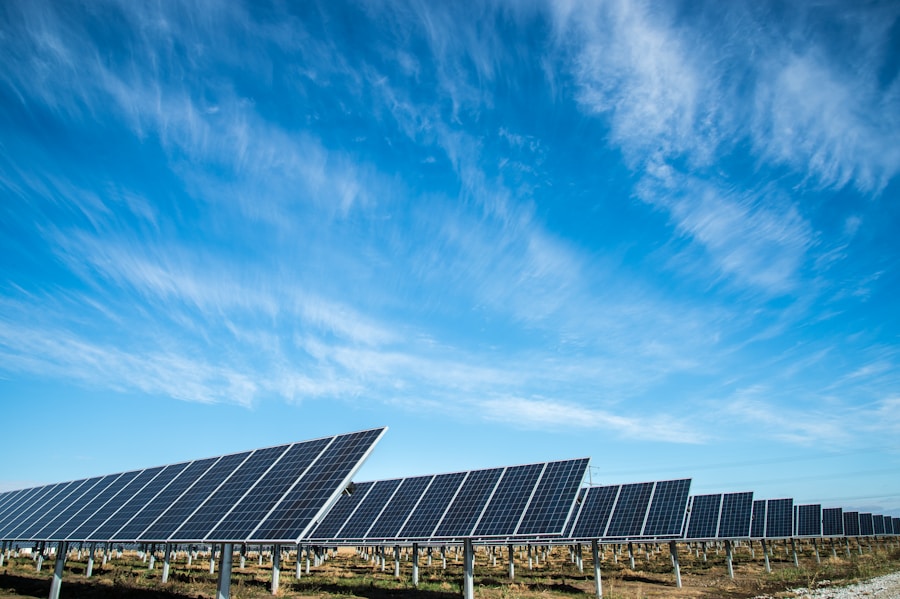
Energy grants and rebates are financial incentives offered by governments, utility companies, and other organizations to encourage individuals and businesses to invest in energy-efficient technologies and practices. These incentives are designed to help offset the upfront costs of energy-efficient upgrades and retrofits, making it more affordable for consumers to adopt sustainable energy solutions. By taking advantage of energy grants and rebates, homeowners and businesses can not only save money on their energy bills but also reduce their carbon footprint and contribute to a more sustainable future.
One of the key benefits of energy grants and rebates is the potential for significant cost savings. By offsetting the initial investment in energy-efficient upgrades, these incentives make it more financially feasible for individuals and businesses to invest in technologies such as solar panels, energy-efficient appliances, and insulation. In addition to reducing energy bills, these upgrades can also increase the value of a property and improve its overall comfort and livability. Furthermore, by reducing energy consumption, homeowners and businesses can lessen their impact on the environment and contribute to global efforts to combat climate change.
Identifying Available Grants and Rebates for Home Energy Efficiency
There are a wide variety of grants and rebates available for home energy efficiency, offered by different levels of government, utility companies, and non-profit organizations. These incentives can cover a range of energy-efficient upgrades, including insulation, windows and doors, heating and cooling systems, and renewable energy technologies. To identify available grants and rebates, homeowners can start by researching government websites, contacting their local utility company, or consulting with a certified energy auditor or contractor.
In the UK, the government offers several schemes to help homeowners improve the energy efficiency of their properties. The Green Homes Grant, for example, provides vouchers to cover up to two-thirds of the cost of eligible energy-efficient improvements, such as insulation and low-carbon heating systems. Additionally, the Renewable Heat Incentive (RHI) offers financial incentives to homeowners who install renewable heating technologies, such as biomass boilers, heat pumps, and solar thermal systems. Furthermore, many local authorities and utility companies offer their own grants and rebates to support energy efficiency initiatives within their communities.
Maximizing Savings through Energy Audits and Assessments
Before applying for energy grants and rebates, homeowners can benefit from conducting a comprehensive energy audit or assessment of their property. This process involves identifying areas of energy waste and inefficiency, as well as opportunities for improvement. By understanding how energy is being used within a home, homeowners can make informed decisions about which upgrades will have the greatest impact on reducing energy consumption and saving money.
During an energy audit, a certified professional will evaluate a home’s insulation, heating and cooling systems, appliances, lighting, and air leakage. They may also use specialized equipment such as thermal imaging cameras to identify areas of heat loss or air infiltration. Based on the findings of the audit, homeowners can then prioritize energy-efficient upgrades that will deliver the most significant cost savings. Additionally, some utility companies offer free or discounted energy audits as part of their energy efficiency programs, providing homeowners with valuable insights into their energy usage and potential opportunities for improvement.
Navigating the Application Process for Energy Grants and Rebates
Once homeowners have identified the grants and rebates for which they are eligible, they can begin the application process. This typically involves completing an application form and providing supporting documentation, such as proof of purchase or installation. Depending on the specific incentive, homeowners may also need to work with a certified contractor or installer to ensure that the upgrades meet the necessary standards and requirements.
To navigate the application process successfully, homeowners should carefully review the eligibility criteria and application guidelines for each grant or rebate. It is important to ensure that all required information is provided accurately and in a timely manner to avoid delays or potential disqualification. Additionally, homeowners may benefit from seeking assistance from a qualified energy professional or consultant who can help them understand the application requirements and ensure that all necessary steps are taken to secure the incentive.
Implementing Energy-Efficient Upgrades and Retrofits
Once homeowners have secured energy grants and rebates, they can proceed with implementing the approved upgrades and retrofits. This may involve working with certified contractors or installers to ensure that the improvements are completed according to the necessary standards and specifications. Depending on the scope of the project, homeowners may need to obtain building permits or comply with local building codes and regulations.
Energy-efficient upgrades can encompass a wide range of improvements, including installing high-efficiency heating and cooling systems, upgrading insulation and air sealing, replacing windows and doors with energy-efficient models, and integrating renewable energy technologies such as solar panels or geothermal heat pumps. By investing in these upgrades, homeowners can significantly reduce their energy consumption and enjoy long-term cost savings on their utility bills. Furthermore, these improvements can enhance the comfort, health, and overall value of a home.
Leveraging Tax Incentives and Financing Options for Green Initiatives
In addition to energy grants and rebates, homeowners can further maximise their savings by leveraging tax incentives and financing options for green initiatives. In many countries, governments offer tax credits or deductions for certain energy-efficient upgrades, such as solar panels or geothermal heat pumps. These incentives can help offset the cost of investments in renewable energy technologies and make it more financially feasible for homeowners to adopt sustainable energy solutions.
Furthermore, there are various financing options available to help homeowners fund energy-efficient upgrades. For example, some utility companies offer low-interest loans or on-bill financing programs that allow homeowners to repay the cost of improvements over time through their utility bills. Additionally, there are government-backed loan programs and private financing options specifically designed for energy efficiency projects. By exploring these financing options, homeowners can access the capital needed to make energy-efficient upgrades without having to pay for them upfront.
Monitoring and Maintaining Energy Efficiency to Sustain Savings
Once energy-efficient upgrades have been implemented, it is important for homeowners to monitor and maintain their energy efficiency to sustain long-term savings. This may involve regularly checking insulation levels, maintaining heating and cooling systems, replacing air filters, sealing air leaks, and adjusting thermostat settings as needed. By staying proactive in maintaining their home’s energy efficiency, homeowners can ensure that their investments continue to deliver maximum cost savings over time.
Furthermore, ongoing monitoring can help homeowners identify any potential issues or opportunities for further improvement. For example, by tracking their energy usage through smart meters or monitoring systems, homeowners can pinpoint areas of high consumption and take steps to address them. Additionally, staying informed about new technologies and incentives can help homeowners stay ahead of the curve in adopting the latest energy-efficient solutions. By remaining vigilant in monitoring and maintaining their home’s energy efficiency, homeowners can continue to enjoy reduced energy bills and contribute to a more sustainable future for generations to come.
0 Comments